|
Dr. Ashely Alker is an emergency medicine doctor as well as an educator
concerned about public health and preventative care. Alker wrote this
book to help people avoid 'the ninety-nine most terrifying, interesting,
and unfortunate ways to die, ranging from everyday household poisons to
regrettable sex'.
Also, since many people believe what they see
in films and television/streaming series, Alker has worked with
screenwriters and producers to increase medical accuracy in Hollywood.
So far Alker has consulted for The Act, The Handmaid's Tale, Bull,
Station 19, Chicago Med, Purple Hearts, and many others. Alker writes,
"The purpose of my work is to create truth in art, giving viewers a more
valid theatrical experience that is passively educational and avoids
health misconceptions."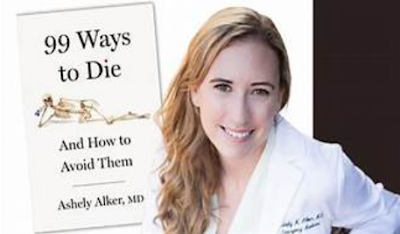
Author Ashely Alker
This
book isn't for hypochondriacs!! Reading the book from cover to cover
might give the false impression that a person's life is in danger every
day from some combination of infectious microbes; allergies; poisons;
pregnancy; eating beef; insect and arachnid bites; injuries; parasites;
weapons; animal attacks; drinking too much water; dog kisses; and so on.
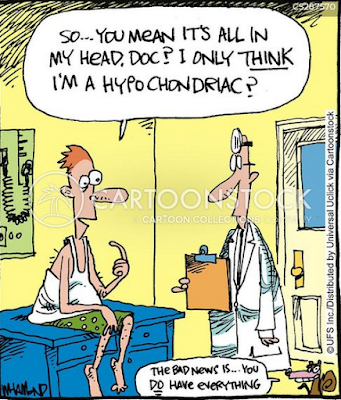
Luckily, Alker lightens the mood with a good sense of humor and funny anecdotes. 
Alker suggests, "Don't let Lassie kiss your face, I don't care how famous he is." Dog kisses can spread
Guillain-Barré syndrome, a rare condition that causes sudden numbness and muscle weakness.
For
deadly threats of various kinds, Alker discusses their history;
patients she's treated; methods of disease transmission; symptoms;
prevention; treatment; famous victims; death toll; and more. Alker also
gives useful advice, such as: get vaccinated; be prepared; use common
sense; and when you sense something is wrong - get to an emergency room
or hospital quickly.
The book is VERY inclusive and detailed, but in a nutshell, the topics are:
◈ Infections: Bacterial, Viral, and Parasitic.
◈ Vaccine Preventable Diseases: Smallpox, Polio, Flu, etc.
◈ Heart Diseases: Heart Attack, Arrhythmias, High Blood Pressure, etc.
◈ Brain Diseases: Mad Cow Disease, Stroke, Dementia, etc.
◈ Sex: Pregnancy, Syphilis, Herpes, Butt Stuff, etc.
◈ Drugs: Medications - Over-the-Counter Products, Herbal and Dietary Supplements, etc.
◈ Drugs: Recreational - Opiates, Psychedelic Mushrooms, Nicotine, Alcohol, etc.
◈ Animals: Snakes, Spiders, Sharks, Scorpions, Jellyfish, etc.
◈ Poisons: Cyanide, Carbon Monoxide, Deadly Nightshade, Pesticides, etc.
◈ Food: Anaphylaxis, Pufferfish Tetrodotoxin, Fish, Poisonous Mushrooms, etc.
◈ Locomotion: Cars, Motorcycles, ATVs, Helicopters, Planes, etc.
◈ Crime: Murder, Gun Violence, Serial Killers, etc.
◈ The Elements: Lightning, Tornadoes, Earthquakes, etc.
◈ Warfare: Biological, Chemical, and Nuclear Weapons.
To provide a feel for the book I'll give a few examples, chosen at random for variety and interest.
INFECTION
➼ Strep Throat
Strep
throat is caused by Streptococcus bacteria, which infect the throat and
tonsils. Antibiotics are prescribed to kill the microbes, and it's
important to take the FULL ROUND of antibiotics to prevent the
development of resistant germs.
Left untreated, a prolonged strep
infection can cause rheumatic fever, a disease that causes heart
inflammation, arthritis, rash, skin nodules, and a body shaking syndrome
called Sydenham's chorea. Serious cases can result in kidney failure or
the need for a heart transplant.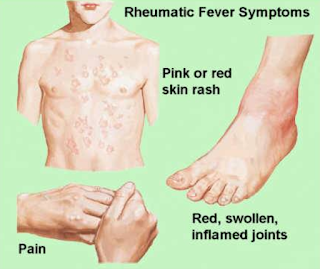
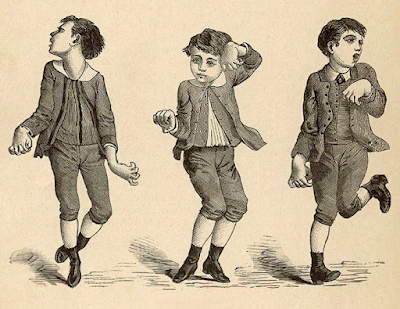
Sydenham's chorea can cause body shaking
➼ Necrotizing Fasciitis
The
various bacteria that cause necrotizing fasciitis eat away at body
tissues in a process called liquefactive necrosis, turning flesh into a
gray soup. The symptoms begin as a normal skin infection, but the
redness, pain, fever, and sometimes blisters on the skin then progress
rapidly.
One of the causes of necrotizing fasciitis is a
bacterium called Vibrio vulnificus, "which is not a Hogwarts spell but a
saltwater bacterium." If you get cut in the ocean or brackish water,
wash the cut thoroughly and seek medical care.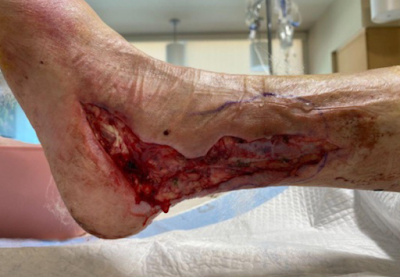
Necrotizing Fasciitis
TICK-BORNE DISEASE
➼ Rocky Mountain Spotted Fever
Rocky
Mountain Spotted Fever is a bacterial disease spread by tick bites.
Usually, on day seven after the tick bite, the victim gets a headache
and fever, followed by a rash that looks like bright red freckles
covering the entire body.
Rocky Mountain Spotted Fever is deadly
because the bacteria damage cells that line the blood vessels, causing
blood leakage and blood clots, and sometimes infections in the brain,
heart and liver. The illness is treatable with the antibiotic
doxycyline.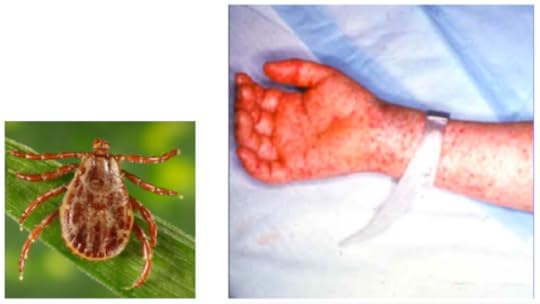
Tick and rash associated with Rocky Mountain Spotted Fever
PARASITES
Alker
notes, "Swine can carry up to forty different parasites...The problem
is pigs are known to eat a little poo from time to time and it comes
with worms...I bet a lettuce and tomato sandwich is looking pretty good
right now."
➼ Pork Tapeworm
Taenia solium is the pork
tapeworm. If a person eats undercooked infected pork, the immature stage
of the parasites - called cysticerci - infect the gut and grow into
flatworms that can live for years. Treatment is easy with praziquantel
or albendazole pills. 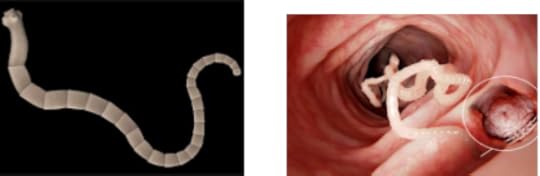
Pork tapeworm (left) and pork tapeworm in human intestine (right)
If
the cysticeri get to the brain, they cause a disease called
neurocyticercosis, which is the primary cause of preventable epilepsy in
the world. One victim may have been Robert F. Kennedy, Jr., who claimed
he had a worm in his brain. Without treatment, 'brain worms' can cause
headaches, blindness, meningitis, stroke-like symptoms, and death.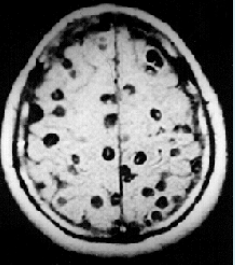
Mulitple cysticerci in the brain
BRAIN DISEASE
➼ Stroke
Most
strokes are caused by blockage in a blood vessel carrying oxygen-rich
blood to the brain. This results in death of brain tissue. Symptoms of
stroke may include facial droop, numbness, arm and leg weakness, vision
loss, slurred speech, and inability to understand speech.
Clot-busting
medications can be given up to several hours after the onset of
symptoms, but the more time passes, the more brain tissue dies. So never
ignore stroke symptoms, and go the emergency room immediately.
Stroke victim
➼ Brain-Eating Amoeba
Alker
says, "Have you ever swum in the peaceful waters of a lake? Used a neti
pot for a sinus rinse? Taken a dip in a river or stream? If so, this
chapter will terrify you."
The Naegleria fowleri amoeba is a
freshwater brain-eating amoeba that is almost always fatal. The organism
infects humans by entering through the nose when people swim in
contaminated water, or when neti pot water is contaminated.
Symptoms
include headache, nausea, vomiting, neck stiffness, fever, seizure,
altered mental state, and hallucinations. Severe brain swelling
eventually leads to brain herniation (shifting in position) and death. 

A woman using a neti pot for a nasal rinse
Alker
suggests, "If you happen to be swimming in warm, unchlorinated fresh
water, maybe keep your head above the surface. Also, sterilize water
used for neti pots."
SEX
➼ Butt Stuff
Alker
notes, "One thing every emergency department sees too much are rectally
inserted objects. This throws nonmedical folk off, but honestly when
you are tired, covered in coffee, and trying to save lives, the person
with stuff in their butt is the least of your problems.....Doctors do
not care how the TV remote you "SAT ON" got into your butt."
Alker
suggests, "There are safe items made for rectal stimulation. Be brave:
Go to a sex shop, wear a hat and glasses, and pay in cash, or go online
and use a friend's credit card."
Nuff said about that subject.
DRUGS
➼ Over-the-counter medications
Alker
describes treating a child with depression who had taken vitamins in
his mother's medicine cabinet, to try to hurt himself. The child had
overdosed on iron and was going into shock, meaning his blood was not
getting oxygen to his organs.
Symptoms of iron poisoning include
nausea, vomiting, and diarrhea. Subsequently, the blood turns to acid,
and the iron causes bleeding, and liver, heart, and kidney dysfunction.
Once shock and liver failure set in, the only treatment may be a liver
transplant.
An intravenous antidote, deferoxamine can alleviate
the symptoms of iron poisoining, but must be used early, as iron has a
rapid effect. 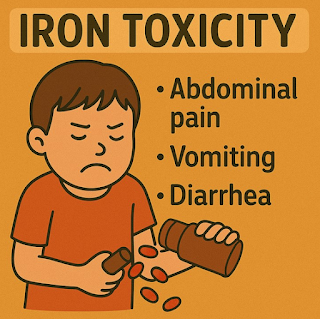
POISONS
➼ Carbon Monoxide
Carbon
monoxide (CO) gas is tasteless, odorless, and deadly. CO replaces
oxygen in red blood cells, so organs can't get the oxygen they need. CO
is released by fire or combustion, and is given off by cars, stoves,
fireplaces, furnaces, house fires, and so on. 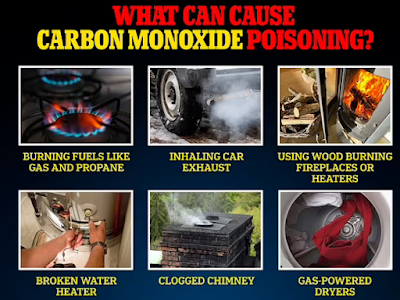
The
first symptoms of CO poisoning are headache, dizziness, nausea, and
vomiting. Eventually, decreased oxygen to the brain can cause a stroke,
and decreased oxygen to the heart can cause a heart attack. CO kills by
concentration, which is why the gas is most dangerous when trapped
indoors. The solution is dilution (open the doors and windows), or just
not polluting in the first place.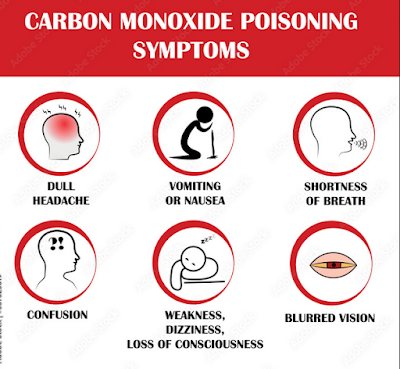
Alker
observes, "The best advice for avoiding CO poisoning is to get a CO
detector. It's like twenty bucks. When you are done reading, you can
sell this book and get one."
FOOD
➼ Fish Poisoning
Alker
says, "While most food poisoning is caused by picnic potato salad on a
sunny day, or street meat contaminated with bacteria, fish are
associated with a unique set of poisonings....pufferfish is not the only
fish that can take you out at dinner."
Scromboid poisoning is
one of the most common types of fish poisoning, and is caused by too
much histamine in ingested fish. Histamine causes an allergic reaction,
and makes you itch, sneeze, flush, and break out in hives. In severe
cases, it can cause breathing problems such as wheezing and airway
closure.
The FDA recognizes both fish and shellfish as major food
allergens. Scromboid can be caused by tuna, mackerel, bonito, skipjack,
mahi-mahi, amberjack, bluefish, marlin, swordfish, herring, anchovies,
sardines, salmon, trout, and tilapia (so....almost anything). Scromboid
is more common in recreationally caught fish than commercial fish.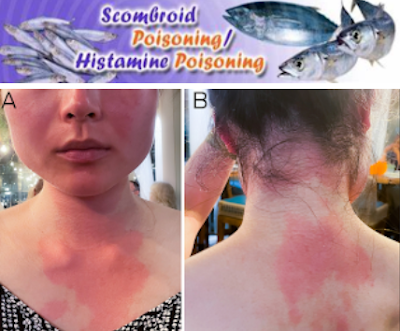
Scromboid
is rarely deadly, and can be treated with antihistamines for low-risk
reactions. Serious symptoms, like breathing problems, require hospital
treatment with IV medications and supportive care.
THE ELEMENTS
➼ Lightning
Alker
observes, "Lightning has been of human interest throughout
history....this may be why the most powerful god on Olympus, Zeus,
wielded lightning, and why it is the power of the second-best X-Men
character."
According to the CDC, there are more than eight million lightning strikes every day, to trees and other tall structures.
The
primary way people die from a lightning strike is cardiac arrest: the
lightning disrupts the electricity of the heartbeat causing a fatal
arrhythmia and the heart to stop beating.
If someone is hit by
lightning, the CDC recommends immediately starting CPR and calling 911.
Alker suggests, "If you don't know CPR, put this book down and go take a
class, especially if you have kids."
*****
I hope my
examples give you a feel for the book's contents, which provide a great
deal of information you might find useful - or even life-saving - some
day. It's a lot to take in, so I'd suggest reading the book a little at a
time.
Highly recommended.
Thanks to Netgalley, Ashely Alker, and St. Martin's Press for an ARC of the book.
Rating: 4 stars