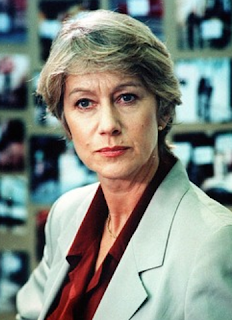
Helen Czerski is a British physicist and oceanographer who popularizes science for the general public.
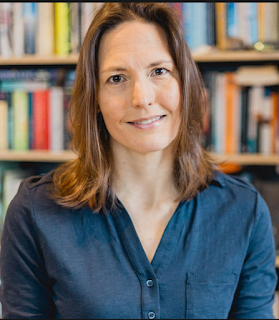
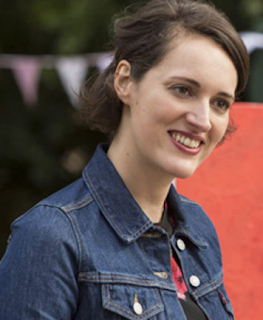
Author Helen Czerski
In 'Storm in a Teacup' Czerski explains how laws of physics control everyday phenomena. For example, imagine you have a bowl of raw eggs and a bowl of boiled eggs in the fridge, and you forget which is which.
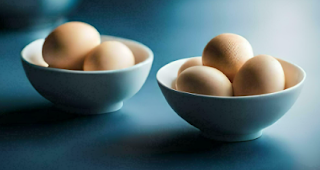
Here's what you do: Take an egg from each bowl, and spin them on a smooth surface. After a few seconds, touch each egg lightly, just to stop the spinning. The cooked egg will remain still, but the raw egg will start twirling again. This happens because the cooked egg is a solid object, but the raw egg is a shell with liquid inside; the liquid keeps turning and drags the shell along with it.
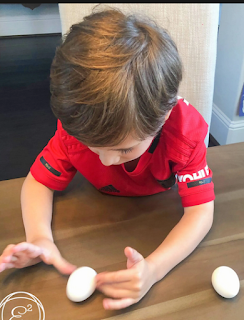
Egg spinning experiment
Czerski's book contains nine chapters, each of which connects physics laws with real life. The author includes examples in each chapter, with explanations of how the science principles work.
∞ CHAPTER ONE: Popcorn and Rockets - about the behavior of gases
In this chapter, Czerski discusses why popcorn pops; the reason sperm whales shut their lungs to dive for food; why dough rises; how straws work; the strength of air pressure; how elephants drink; how steam engines operate; how rockets work; and more.
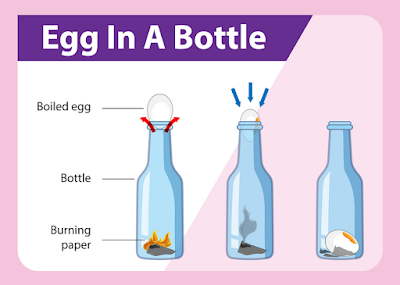
In this experiment, air pressure pushes the boiled egg into the flask
Interesting fact: In the early 1900s, German Gerhard Zucker tried to deliver mail by rocket; it didn't work.
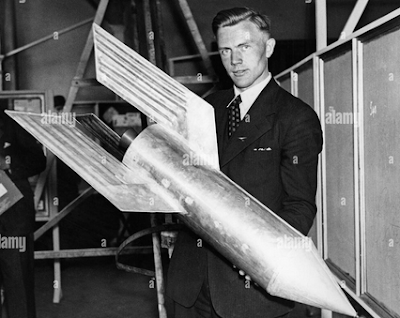
Gerhard Zucker with his rocket
∞ CHAPTER TWO: What Goes Up Must Come Down - about gravity
In this chapter, Czerski discusses why raisins dance in fizzy drinks; why you feel funny in fast elevators; how plant seeds know which way is up; how scales work; the electro-hydraulic Tower Bridge in London; buoyancy; water currents that circle the planet (and take thousands of years for a round trip); and more.
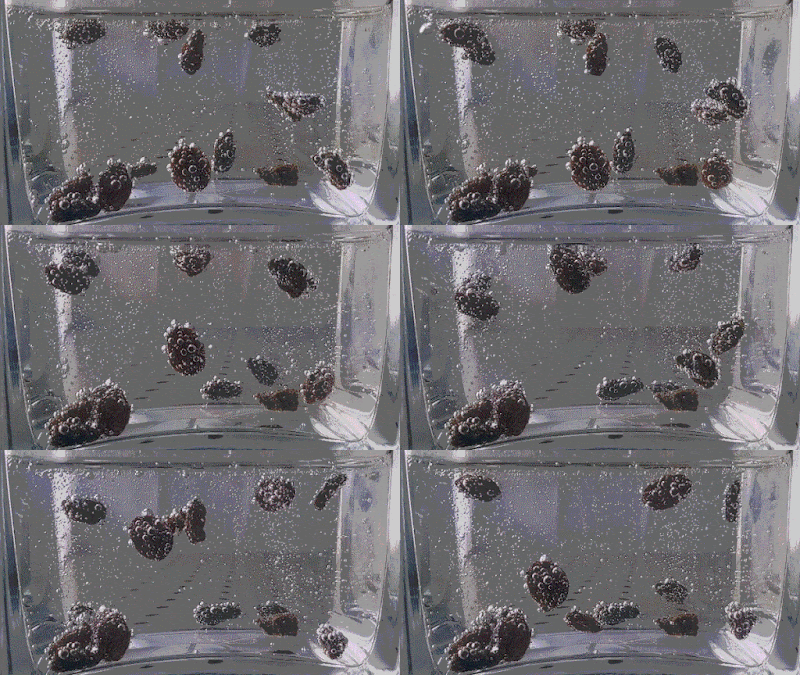
Raisins dance in fizzy drinks because of gravity and gases
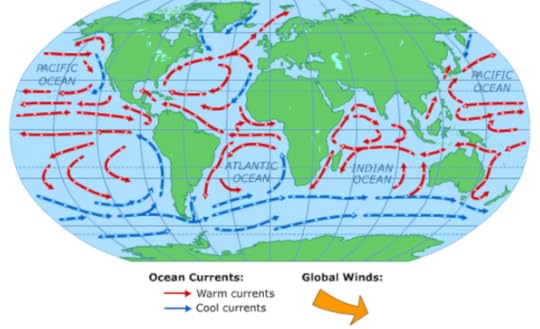
Water currents circle the planet
Interesting fact: In 1876, Maria Spelterini crossed Niagara Falls on a tightrope, using a long horizontal pole to maintain balance.
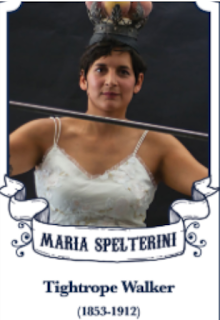
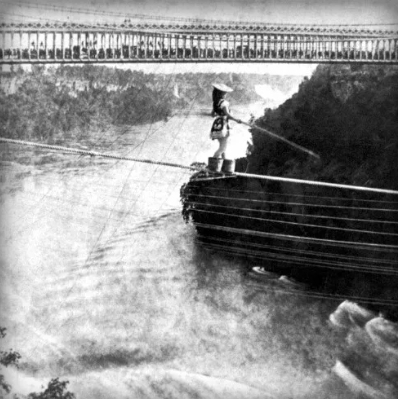
Maria Spelterini crossing Niagara Falls on a tightrope
∞ CHAPTER THREE: Small is Beautiful - about tiny things
In this chapter Czerski writes about Robert Hooke (b. 1635) using a primitive microscope to view all sorts of things (sand, hair, silk, fly eyes, razor blades, etc.); fat globules (cream) rising in milk; tuberculosis bacteria spreading through air; surface tension; how cotton towels absorb water; how water moves from the roots to the leaves of redwood trees; and more.
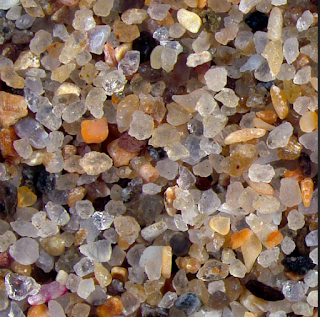
Sand under a microscope
Interesting fact: When milk was delivered before homogenization, little birds would peck holes in the aluminum bottle tops to drink the cream.
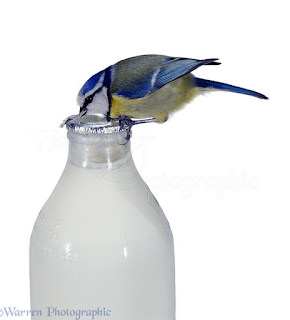
Bird drinking cream from a milk bottle
∞ CHAPTER FOUR: A Moment in Time - about the speed at which things happen
In this chapter, Czerski writes about why it's hard to get ketchup out of a bottle; how snails use mucus for locomotion; why earthquakes cause landslides; why pigeons bob their heads when they walk; how mountains are worn away over millennia; how canal locks work; why a cup of tea sloshes when you walk with it; how to control swaying of tall buildings; fossil fuels; the world approaching equilibrium; and more.
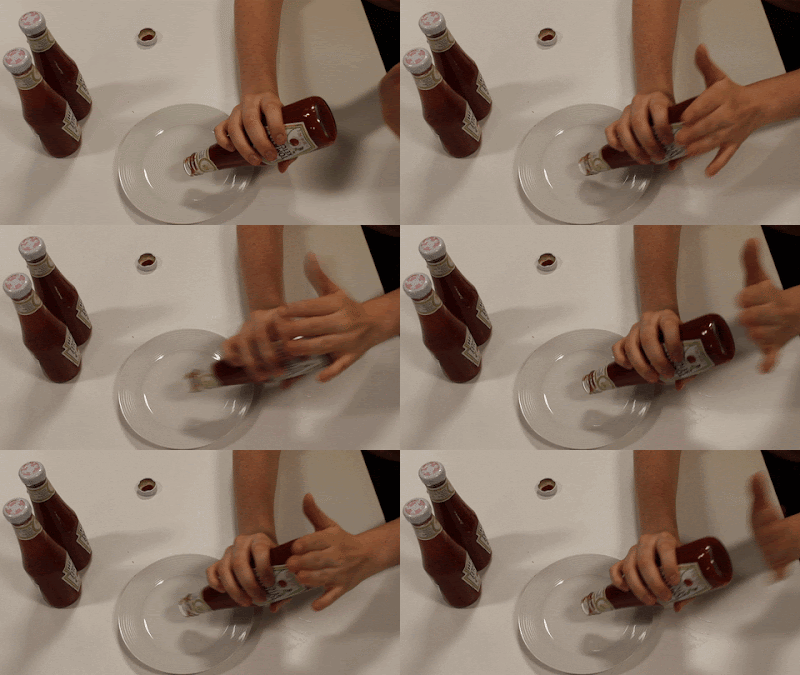
It's hard to get ketchup to flow because it's viscous
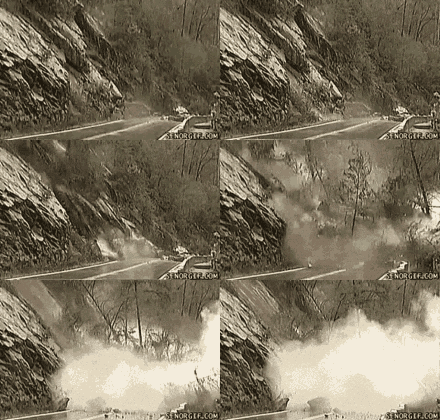
Landslide
Interesting fact: a water molecule in a drop of rain may 'hop' 200 billion times in one second.
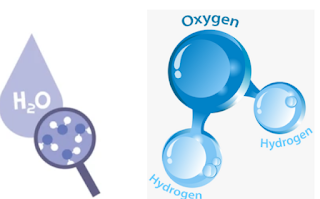
Raindrops are made of water molecules
∞ CHAPTER FIVE: Making Waves - about waves
In this chapter, Czerski discusses water waves; why most fish are silver colored; light waves; reflection and refraction; lightning and thunder; how toasters brown bread; dolphin whistles and myriad other sounds in the ocean; the Titanic sending out radio waves; modern telecommunications; and more.
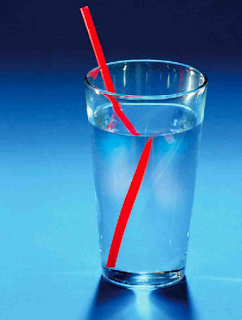
Light is refracted when it passes from air to water (or vice versa)
Interesting fact: 250 years ago in Hawaii, every king, queen, chief, and chiefess owned a surfboard, and royal prowess at the national sport was a great source of pride.
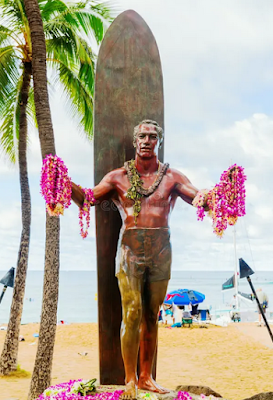
Duke Kahanamoku statue at Waikiki beach in Hawaii
∞ CHAPTER SIX: Why Don't Ducks Get Cold Feet - about the movement of atoms and molecules
In this chapter, Czerski discusses how crystals form; why clothes/towels don't dry during monsoon weather in India; glass and glass-blowing; why ducks' feet don't get cold; heat flow from hotter to cooler objects; refrigeration; global warming; and more.
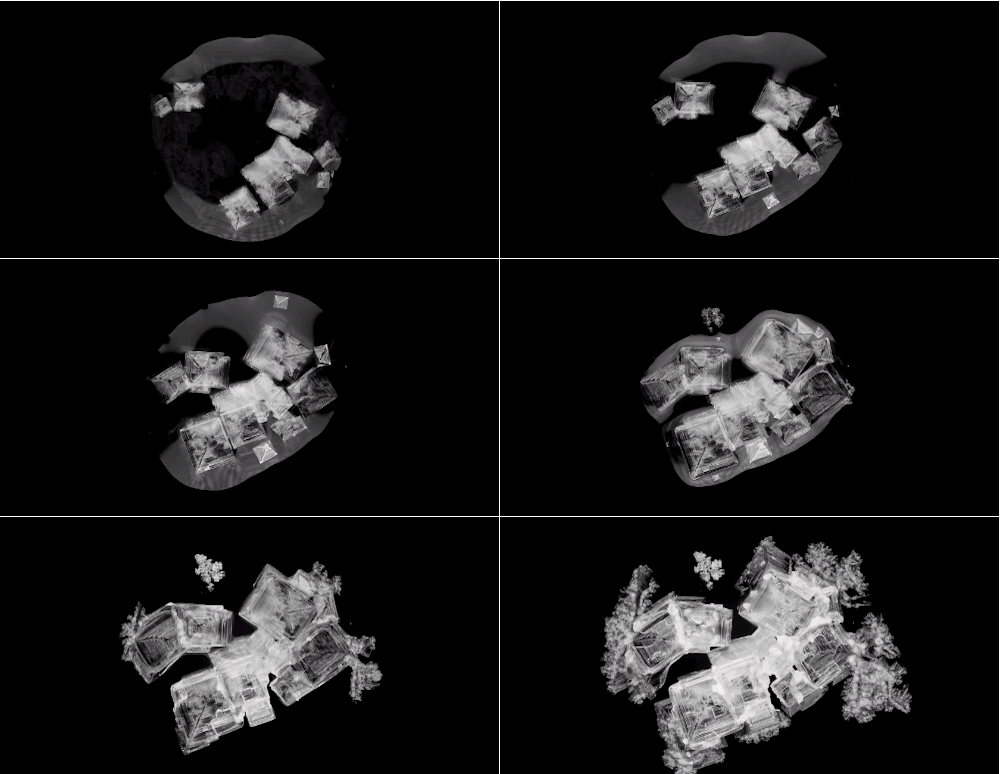
Formation of salt crystals in water
Interesting fact: Albert Einstein - before developing the Theories of Special and General Relativity - laid out a rigorous mathematical explanation of Brownian motion (the random motion of particles suspended in a liquid or a gas).
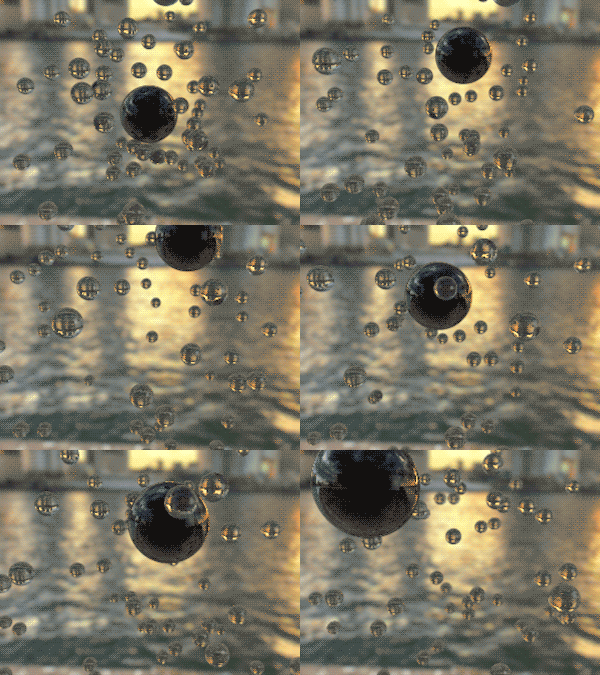
Brownian Motion
∞ CHAPTER SEVEN: Spoons, Spirals, and Sputnik - about inertia and motion
In this chapter, Czerski discusses spinning; centrifugal force; astronauts, g-forces, and weightlessness; chefs twirling pizza dough; why toast falls with the butter side down; ballerinas; the earth's axis; and more.
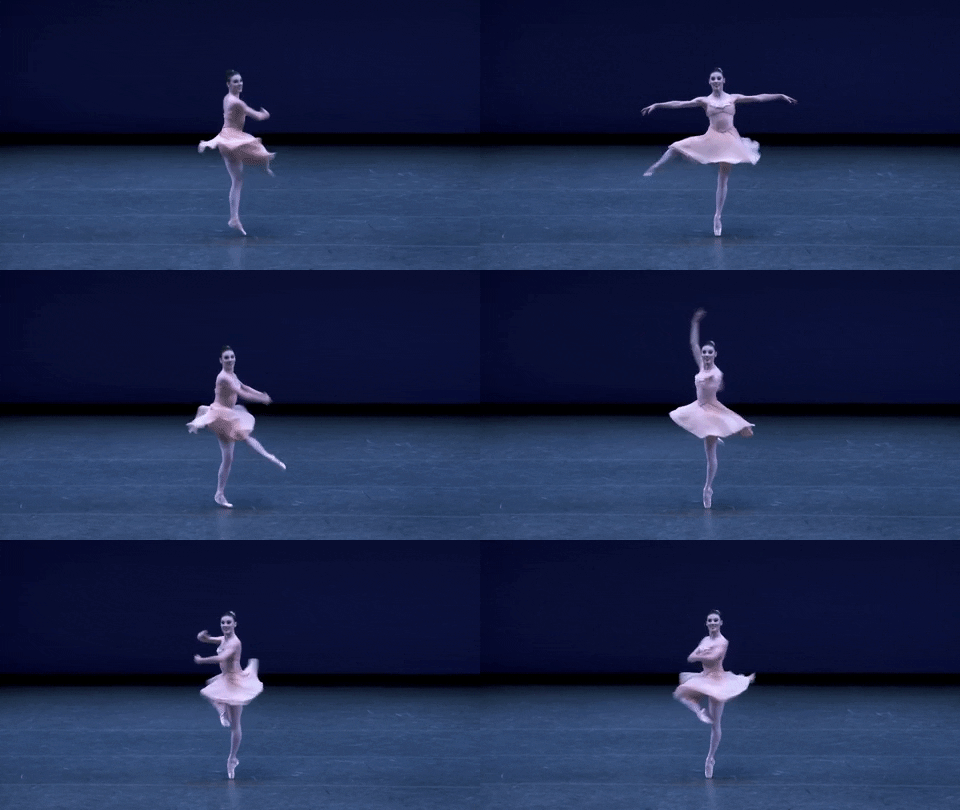
The ballerina spins faster when she pulls in her arms

Chef twirling pizza dough
Interesting fact: In the eleventh and twelfth centuries, trebuchets were used to hurl 200-pound rocks over hundreds of yards, to demolish castles.
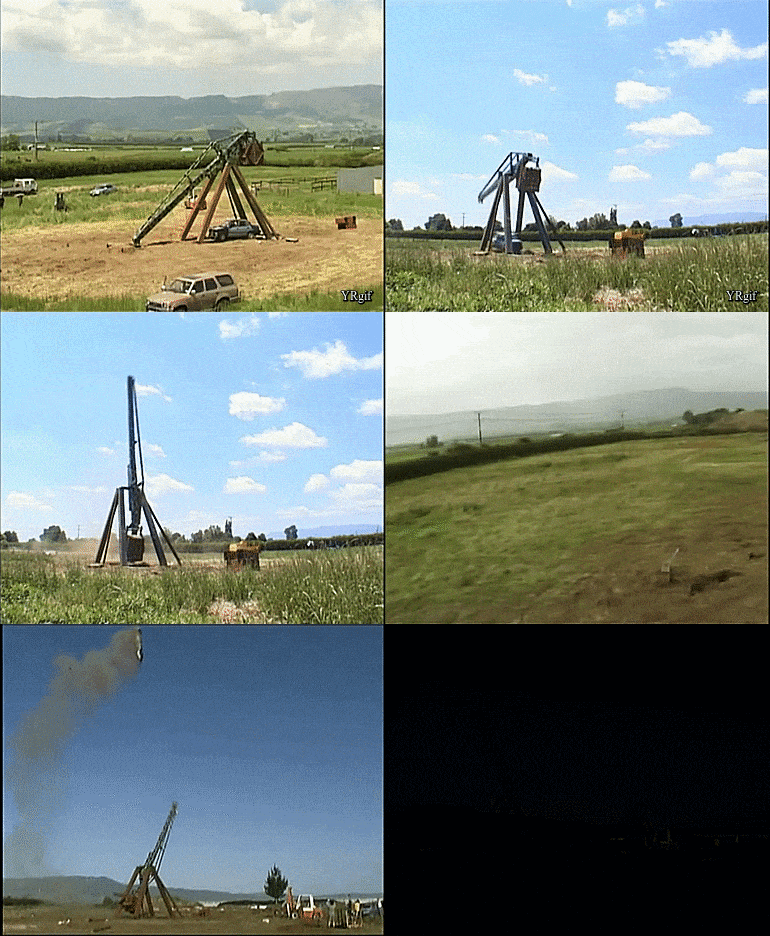
Example of a trebuchet hurling a car
∞ CHAPTER EIGHT: When Opposites Attract - about magnetism, electricity, and electromagnetic fields
In this chapter, Czerski writes about permanent magnets; static electricity; electric shocks; batteries; televisions; the earth's magnetic field; plate tectonics; the generation of electricity; electromagnetism; wind turbines; and more.
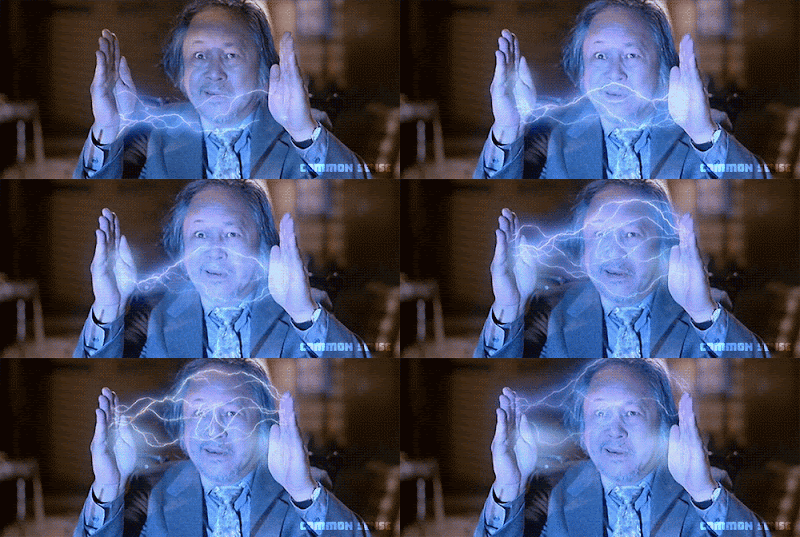
Unbalanced charges result in static electricity
Interesting fact: The small heavy block that sits in the middle of a laptop cable is an AC/DC adapter that converts the AC current from the outlet into the DC current the laptop needs.
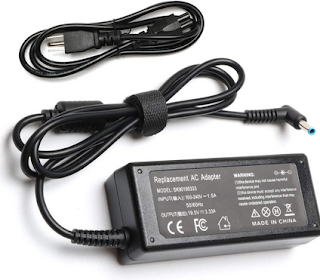
Laptop cable
∞ CHAPTER NINE: A Sense of Perspective - about life-support systems
In this chapter, Czerski summarizes the manner in which life support systems of the human body, planet earth, and civilization interact. This section interweaves information from previous chapters to present a picture of humanity interrelating with physics and nature.
Interesting fact: Though we think of ourselves as living in a modern society, we rely on infrastructure built by previous generations, sometimes decades ago, sometimes centuries ago, and sometimes millennia ago.

The Great Wall of China was built in the third century BCE
In addition to the above topics, Czerski writes about her research on the physics of the ocean surface. In one instance, this involved Helen being on a ship miles from shore in rough seas, and lowering a 36-foot-long yellow buoy with a variety of measurement devices strapped to it.
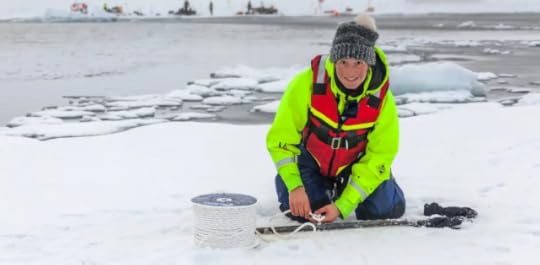
Helen Czerski on a 2018 ocean research expedition to the North Pole
Czerski also shares personal anecdotes, such as her enjoyment of springboard diving, but not highboard diving; snails repeatedly eating her plant seedlings, no matter how elaborate her precautions; cycling in London's Olympic velodrome, where riders go up the sides of the track; participating in a trebuchet contest (launching a boot); her love of tea breaks; and other things.
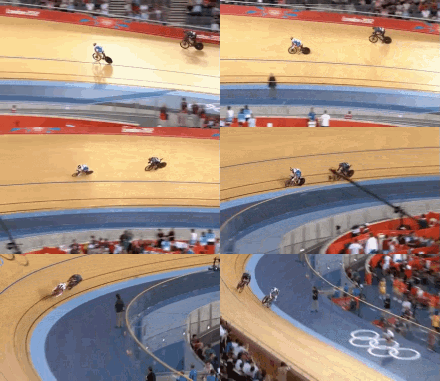
Cyclists in a velodrome
This is an informative and interesting book, the main drawback being the lack of diagrams and pictures. Nevertheless, the narrative is illuminating and fun....and there's always Google.
Highly recommended.