
Background: After serving in the British army in India in the early 1890s, Anglo-Indian Captain Jim Agnihotri became interested in being a private detective, like his fictional idol Sherlock Holmes.

During Agnihotri's first case, two years ago......

.....he met and married a beautiful Parsi woman named Lady Diana Framji. Parsis are not meant to wed outsiders, and Diana's wealthy respected family would be ostracized.

So Jim and Diana moved to Boston, Massachusetts, where Jim was hired by the Dupree Detective Agency.

Since then, the Dupree agency has assigned Jim several difficult cases, and Diana has proven herself a smart, capable, and inventive assistant investigator.

In this 4th book in the 'Captain Jim and Lady Diana Mysteries', Jim and Diana are compelled to return to India to absolve Diana's brother Adi of a murder charge.
*****
When Jim Agnihotri receives an urgent cable reading "NEED HELP PLEASE COME" from his brother-in-law, Adi Framji.....

.......Jim and his wife Diana hurry to meet Adi in a London, England hotel. There Adi admits, "If I go back to India, I'll be accused of murder."
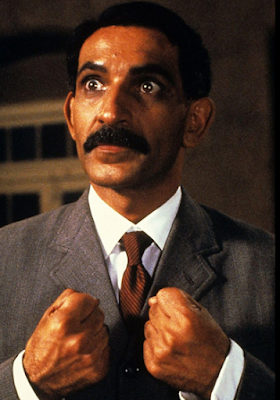
Adi goes on to explain he recently embarked on a venture with his friend and business partner Satya Rastogi.
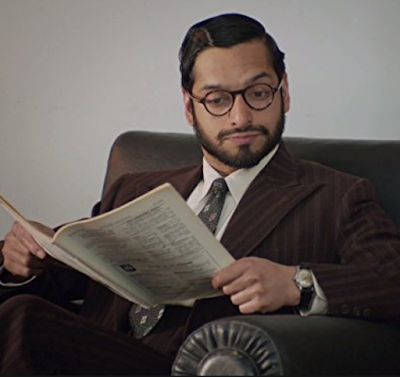
Rastogi came from a family of goldsmiths, and he'd studied chemistry, so the partners leased a warehouse to make surgical tools from Indian steel and silver - hoping to wrest some of the surgical tool market from British companies.
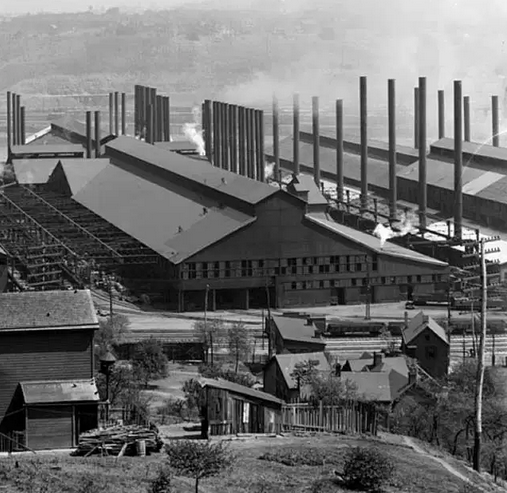
Unfortunately, without the imprimatur 'Made in UK', no hospitals would buy Framji and Rastogi's surgical tools. Worse yet, Satya was murdered, and Adi - who was found with the body - is the prime suspect. So Adi and Diana's father, Burjor Framji, sent Adi out of the country.
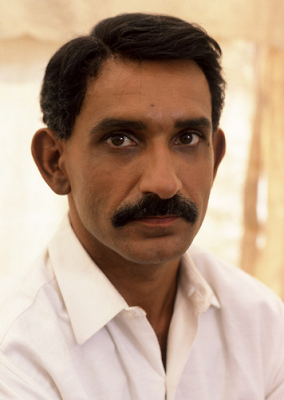
Agnihotri knows this is no solution, and he convinces Adi to return to Bombay, where Jim can (hopefully) clear his brother-in-law's name. The police are searching for Adi, so Diana disguises her sibling as an Indian woman, and the threesome board a ship to return to India.

In Bombay, Jim and Diana are warmly welcomed by Mr. and Mrs. Framji, but the rest of the Parsi community is VERY standoffish.
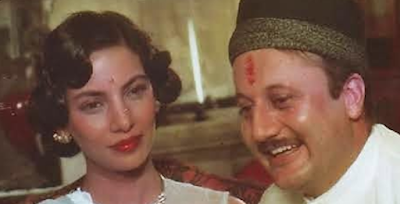
With the return of the shunned couple, the Framjis' friends refuse dinner invitations; the family is not allowed to enter the Zoroastrian temple; and the Parsi community seems ready to boycott Framji businesses.

Jim and Diana know they must stay in Bombay long enough to prove Adi's innocence, and Agnihotri goes to work. He begins by interviewing the employees at Adi's factory, two of whom found Adi with Satya's body in the warehouse. The workers all claim not to have seen anyone else in the vicinity, but they seem squirrely and frightened.

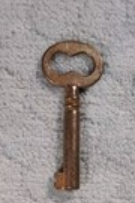
Agnihotri carries on, and finds clues to Satya's murder. Best of all, Jim acquires a mysterious key that belonged to the victim. Jim sets out to discover what the key opens, believing this will help expose the killer.
Agnihotri is a master of disguise, just like his hero Sherlock Holmes. So Jim collects clothing and make-up and fake whiskers, and takes on different personae to further his investigations.


Along the way Jim gets into some serious scuffles, as befits a former soldier.

While Agnihotri is in the midst of the Satya Rastogi case, he's approached by the Framji family's Zoroastrian priest, who needs assistance.
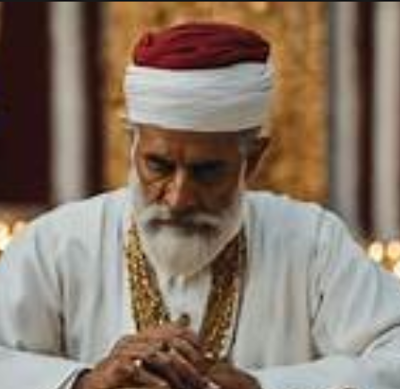
The priest takes Jim to a distraught Parsi man called Boman Padamji, who confides, "For over twenty years I have worked at the Royal Mint. I manage the forge, melting coins paid as tax into imperial bullion....But now there is a thief among my staff....Someone has stolen a bar of gold. And I will be held responsible."
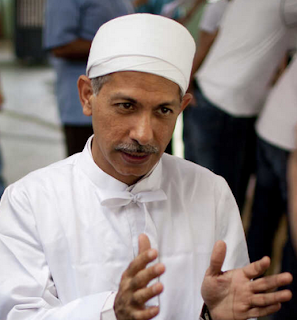
Agnihotri agrees to investigate, after which the priest will help 'heal the rift' between the Parsi community and the Framjis.
Agnihotri is clever and insightful and - with help from Diana - identifies culprits in both cases.

However, Agnihotri is convinced a 'Moriarty-like' mastermind is controlling a criminal network in Bombay, and Jim hopes to expose the miscreant at a future time.
The story is engaging but (for me) the novel feels top heavy with descriptions of Indian scenery, delicious meals, beautiful clothes, and so on. I like background ambiance, but it's overdone in this book and slows down the story.
To give you the idea, here are a few examples:
"Around him a jumble of red hibiscus crowned a bush, while stephanotis, jasmine, and heliotrope crowded adjacent beds."

"The dining room was empty when I served myself from tureens on the sideboard....I slathered spicy mango preserve called amba-kalyo on my toast and polished it off with soft curds of scrambled eggs."

"In a sari, a light peach confection that seemed spun from early morning cloud, Diana looked fragile, barely there, like a bird that is all downy feathers."

These kinds of scenes are wonderful, but in moderation. Still, I enjoyed the novel and recommend it to fans of historical mysteries.
Thanks to Netgalley, Nev March, and Minotaur for a copy of the book.
During Agnihotri's first case, two years ago......
.....he met and married a beautiful Parsi woman named Lady Diana Framji. Parsis are not meant to wed outsiders, and Diana's wealthy respected family would be ostracized.
So Jim and Diana moved to Boston, Massachusetts, where Jim was hired by the Dupree Detective Agency.
Since then, the Dupree agency has assigned Jim several difficult cases, and Diana has proven herself a smart, capable, and inventive assistant investigator.
In this 4th book in the 'Captain Jim and Lady Diana Mysteries', Jim and Diana are compelled to return to India to absolve Diana's brother Adi of a murder charge.
*****
When Jim Agnihotri receives an urgent cable reading "NEED HELP PLEASE COME" from his brother-in-law, Adi Framji.....
.......Jim and his wife Diana hurry to meet Adi in a London, England hotel. There Adi admits, "If I go back to India, I'll be accused of murder."
Adi goes on to explain he recently embarked on a venture with his friend and business partner Satya Rastogi.
Rastogi came from a family of goldsmiths, and he'd studied chemistry, so the partners leased a warehouse to make surgical tools from Indian steel and silver - hoping to wrest some of the surgical tool market from British companies.
Unfortunately, without the imprimatur 'Made in UK', no hospitals would buy Framji and Rastogi's surgical tools. Worse yet, Satya was murdered, and Adi - who was found with the body - is the prime suspect. So Adi and Diana's father, Burjor Framji, sent Adi out of the country.
Agnihotri knows this is no solution, and he convinces Adi to return to Bombay, where Jim can (hopefully) clear his brother-in-law's name. The police are searching for Adi, so Diana disguises her sibling as an Indian woman, and the threesome board a ship to return to India.
In Bombay, Jim and Diana are warmly welcomed by Mr. and Mrs. Framji, but the rest of the Parsi community is VERY standoffish.
With the return of the shunned couple, the Framjis' friends refuse dinner invitations; the family is not allowed to enter the Zoroastrian temple; and the Parsi community seems ready to boycott Framji businesses.
Jim and Diana know they must stay in Bombay long enough to prove Adi's innocence, and Agnihotri goes to work. He begins by interviewing the employees at Adi's factory, two of whom found Adi with Satya's body in the warehouse. The workers all claim not to have seen anyone else in the vicinity, but they seem squirrely and frightened.
Agnihotri carries on, and finds clues to Satya's murder. Best of all, Jim acquires a mysterious key that belonged to the victim. Jim sets out to discover what the key opens, believing this will help expose the killer.
Agnihotri is a master of disguise, just like his hero Sherlock Holmes. So Jim collects clothing and make-up and fake whiskers, and takes on different personae to further his investigations.
Along the way Jim gets into some serious scuffles, as befits a former soldier.
While Agnihotri is in the midst of the Satya Rastogi case, he's approached by the Framji family's Zoroastrian priest, who needs assistance.
The priest takes Jim to a distraught Parsi man called Boman Padamji, who confides, "For over twenty years I have worked at the Royal Mint. I manage the forge, melting coins paid as tax into imperial bullion....But now there is a thief among my staff....Someone has stolen a bar of gold. And I will be held responsible."
Agnihotri agrees to investigate, after which the priest will help 'heal the rift' between the Parsi community and the Framjis.
Agnihotri is clever and insightful and - with help from Diana - identifies culprits in both cases.
However, Agnihotri is convinced a 'Moriarty-like' mastermind is controlling a criminal network in Bombay, and Jim hopes to expose the miscreant at a future time.
The story is engaging but (for me) the novel feels top heavy with descriptions of Indian scenery, delicious meals, beautiful clothes, and so on. I like background ambiance, but it's overdone in this book and slows down the story.
To give you the idea, here are a few examples:
"Around him a jumble of red hibiscus crowned a bush, while stephanotis, jasmine, and heliotrope crowded adjacent beds."
"The dining room was empty when I served myself from tureens on the sideboard....I slathered spicy mango preserve called amba-kalyo on my toast and polished it off with soft curds of scrambled eggs."
"In a sari, a light peach confection that seemed spun from early morning cloud, Diana looked fragile, barely there, like a bird that is all downy feathers."
These kinds of scenes are wonderful, but in moderation. Still, I enjoyed the novel and recommend it to fans of historical mysteries.
Thanks to Netgalley, Nev March, and Minotaur for a copy of the book.
Rating: 3.5 stars

No comments:
Post a Comment