
British journalist Tim Judah's grandmother Edith Müller perished in the Holocaust, and Edith's daughters (Tim's mother Marion and aunt Huguette) survived by dint of grit, luck, and the kindness of a stranger.
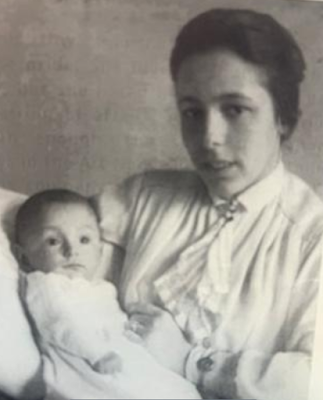
Edith Müller and her baby Marion
In this book Rosie Whitehouse (Tim's wife) tells the well-researched story of Tim's Jewish forebears, who fled from Germany to France before WWII. Jews hoped to be safe in France, but many were victims of the Vichy government's cooperation with the Nazis and/or French citizens who either collaborated or looked the other way.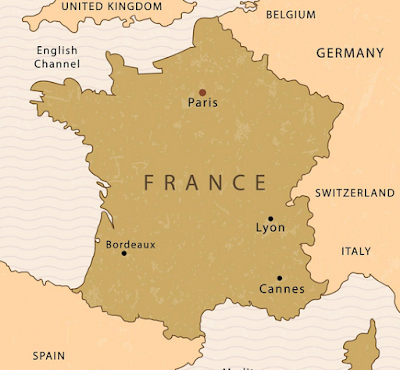
Even in the midst of this deplorable situation, however, there were French heroes who helped Jews. Righteous Among Nations is an honor given by the State of Israel to non-Jews who risked their lives to save Jews during the Holocaust. Author Rosie Whitehouse writes, "Almost 28,000 people across the world have been given the honor, 4,000 of them in France."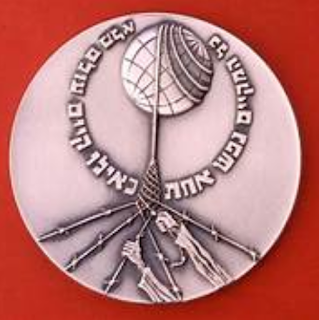
Righteous Among Nations Medal
One recipient of Righteous Among Nations is Dr. Frédéric Pétri, whose name will be engraved on Jerusalem's Wall of Honor in the Garden of the Righteous. Dr. Pétri saved the life of Tim's aunt Huguette, and this kindness is what inspired Whitehouse to research and write this book.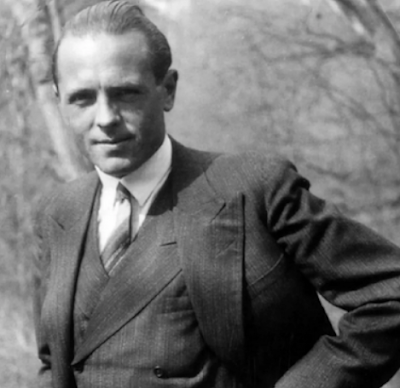
Dr. Frédéric Pétri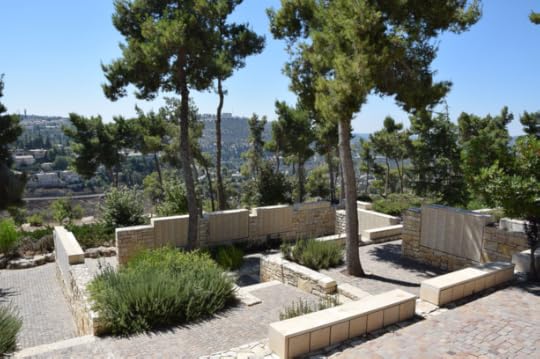
Garden of the Righteous in Israel
Dr. Pétri's brave deed happened like this: In the fall of 1943, during the German occupation of France, Edith Müller was sent to a concentration camp. Her daughters, 15-year-old Huguette and 20-year-old Marion fled from Lyon to hide out in the mountain town of Val d’Isère. Huguette slipped and broke her leg, and Dr. Pétri was called to help.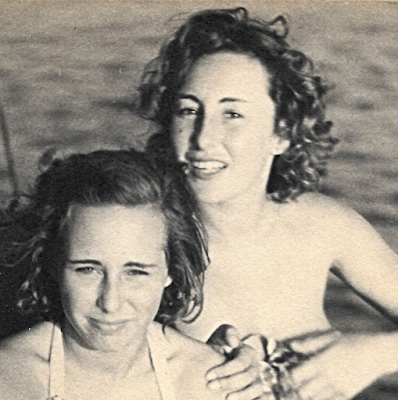
Huguette (left) and Marion Müller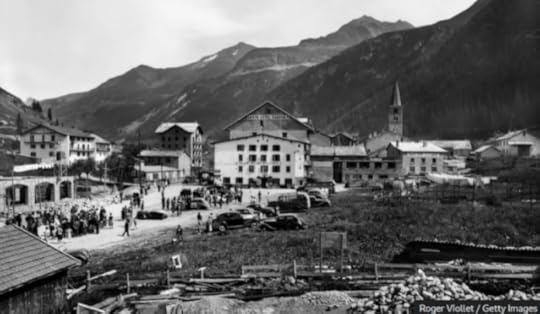
Val d’Isère, France
Dr. Pétri said Huguette needed to be moved to the hospital, but Marion knew the Germans patrolled the hospital, and she punched Dr. Pétri in the face. Dr. Pétri realized the girls were Jewish and immediately said he would look after Huguette himself in his own house. Dr. Pétri warned Marion to leave the village immediately and come back in six months, by which time Huguette's leg would be healed.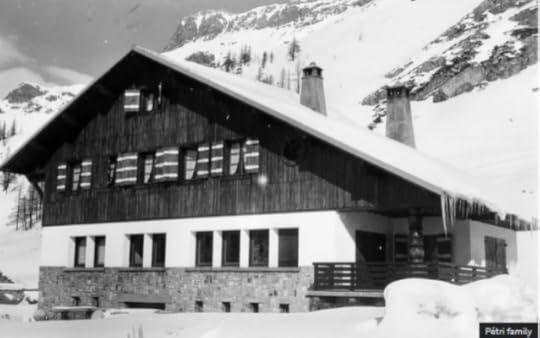
Dr. Frédéric Pétri's chateau
After six months Marion and Huguette were re-united, and though they faced more danger, both girls survived WWII.
This is the bare bones of the story, which Whitehouse begins back when the Müllers' forebears lived in Berlin. To research the book, Whitehouse (who lives in Britain) traveled to Germany and France; went to addresses and sites related to the family; visited museums and archives; found photos and papers among Marion and Huguettes belongings; did research on the internet; interviewed people; and more.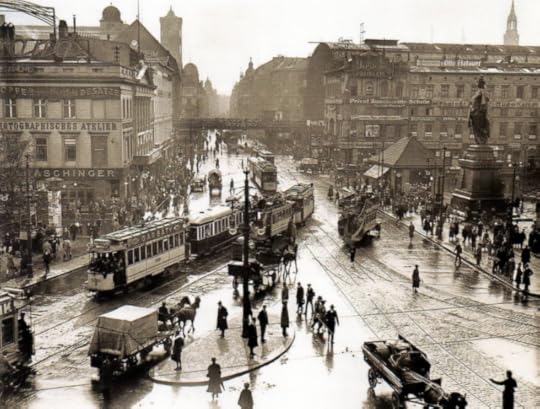
Berlin in the early 20th century
Whitehouse's narrative is very detailed, and includes the history and politics of western Europe; stories about roundups of Jews; descriptions of resistance groups; anecdotes about radio broadcasts; portrayals of Nazis and other relevant people; and much more. Whitehouse also imaginatively re-creates events, and describes them as they might have happened. For this review, though, I'll just provide a glimpse of the Müllers' personal tale.
Before WWII, the Müllers - Edith, her husband Johannes, and their daughters Marion and Huguette - lived in Berlin, where Edith's family owned a large textile factory. After Hitler came to power in 1933, stormtroopers beat up Jews and denounced them, and the Müllers moved to France.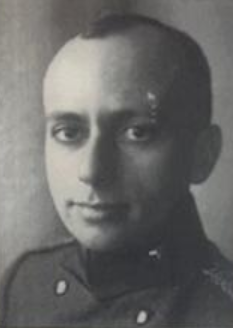
Johannes Müller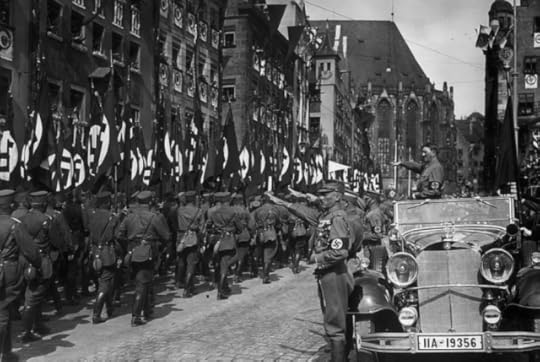
Nazi Stormtroopers
Once WWII broke out, France was no haven. Xenophobic language filled newspapers, and right-wing leaders inflamed the population's anti-Semitism. Marion and Huguette were told not to tell anyone they were Jewish. The family pretended to be Catholic, and became "as French as they possibly could in their tastes, in the clothes they wore, and even the food they ate."
In 1940, Germany forced the capitulation of France, and a new anti-democratic, anti-Semitic government was formed in the town of Vichy. German troops poured into France, hunted down Jews, and sent them to concentration camps. The Müllers had forged identification papers, but these were no guarantees of safety.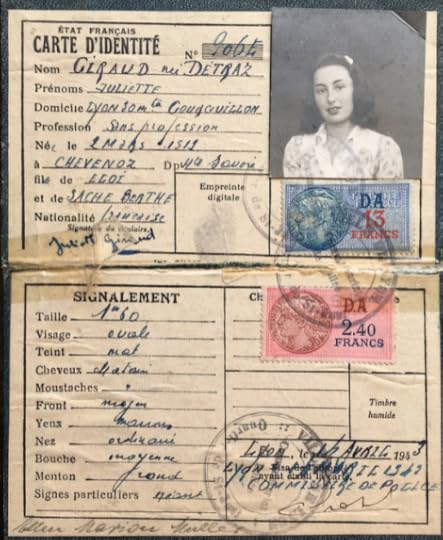
Marion Müller's forged papers
To exacerbate the situation, Johannes Müller was an unfaithful husband and neglectful father who abandoned the family to be with his mistress Lucette. This left the female Müllers on their own, which amplified their problems.
In September 1943 Marion was in Lyon, and Edith and Huguette were in Nice. An informer reported Edith, who was arrested while Huguette was in school.
In Whitehouse's imagination, this was Edith's fate: Edith was taken to the Hôtel Excelsior, which was crowded with apprehended people waiting under a huge Swastika flag. Edith was then interrogated by frightening and shouting SS officers, who wanted the names of family and friends. Edith was made to give up her valuables and - on transport day - she and other prisoners were marched to the train station, crowded into a carriage, and taken to the transit camp at Drancy. The trip took 48 hours, and the prisoners had no room to sit, no food, and no water. From Drancy, Edith was sent to Auschwitz and gassed.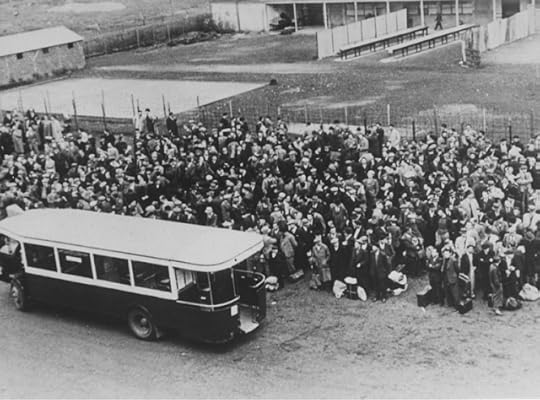
Drancy Transit Camp
When Huguette returned from school to find an empty house, she was told her mother had been arrested. Huguette then made her way to Marion in a roundabout way, and the girls went to Val d’Isère and were assisted by Dr. Pétri, as described above.
Marion and Huguette survived the war, as did their father Johannes, and Whitehouse writes about their lives after the conflict.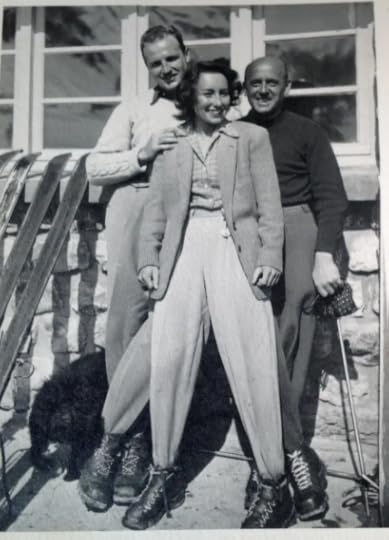
Marion Müller and two friends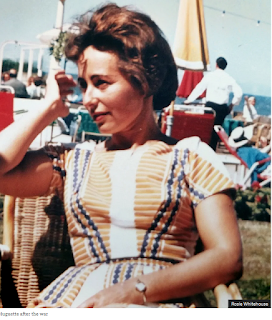
Huguette Müller
France's role in exterminating Jews is probably less well known than Germany's, and Whitehouse's explication is edifying and horrifying. I'll give a few examples.
► In 1940, Marshal Philippe Pétain became head of the collaborationist regime in Vichy. Under his leadership, a commission revoked the citizenship of over a million naturalized French citizens, many of whom were Jews. This led to innumerable arrests and murders.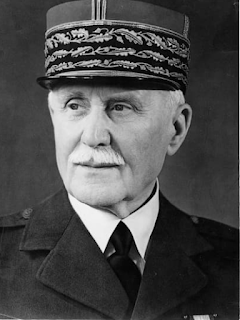
Marshal Philippe Pétain
► In 1942, SS Officer Theodor Dannecker ordered a roundup of all Jews in France, René Bousquet - Vichy's French head of police - agreed that his men would round up 22,000 foreign Jews whose names the police held in a register.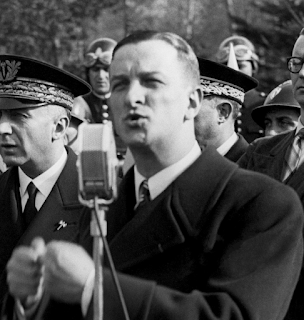
René Bousquet
► In summer 1942, there was a wave of denunciations as French people wrote to local officials and even to Marshal Pétain, denouncing Jews. One person wrote to say 'we want a French Cannes and not an international town where the Jews are the masters in control...Jews should be forced to wear a yellow hat, condemned to forced labor and their money confiscated. Ideally they should be made to disappear in bottomless boats to feed the fish they deprive us of.'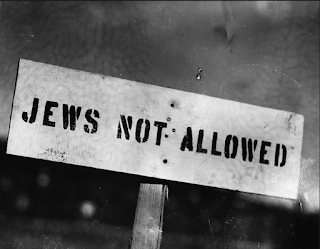
► In 1943, a violent roundup took place in Marseille. The city was full of Jewish refugees, and on René Bousquet's orders, 12,000 French police were brought into the city to help the Germans carry out a major operation against the Jews.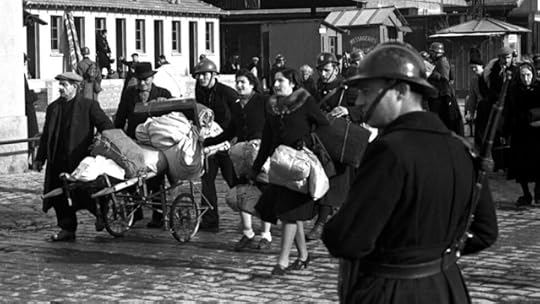
The Marseille Roundup
► In 1945, shortly before VE Day, disputes over housing shortages in Paris prompted 500 demonstrators to march through the city shouting 'Death to the Jews' and 'France for the French.'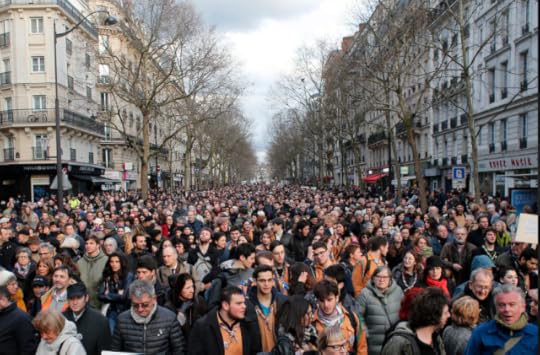
After the war, the Jewish experience in France was pushed aside as people attempted to whitewash the horror. Whitehouse notes, 'Thousands of Jewish businesses had been sold to non-Jews during the war, who were now reluctant to return them. There was little sympathy for Jewish survivors. French stateswoman Simone Veil was called 'Dirty Jew' by a doctor in a medical examination after she returned home from Auschwitz.' And on and on.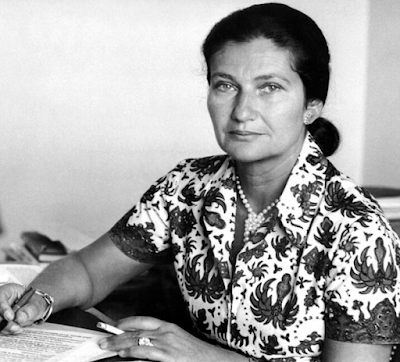
Stateswoman Simone Veil
To be fair, in 1995, President Jacque Chirac, referring to the persecution of Jews, admitted: "These dark hours forever sully our history and are an insult to our past and our traditions. Yes, the criminal folly of the occupiers was seconded by the French, by the French state."
Chirac also recognized the Righteous Among Nations as new national heroes. Then in 2000, July 16 became a day "of commemoration of racist and anti-Semitic crimes committed by the French State and of tribute to the Righteous of France."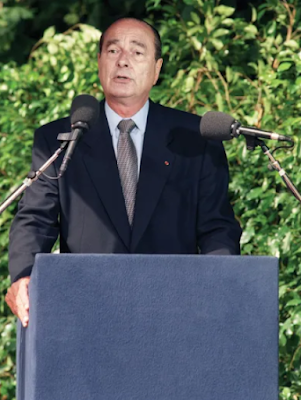
President Jacque Chirac
Whitehouse and her relatives met some of Dr. Frédéric Pétri's descendants, and attended the ceremony when Dr. Pétri was posthumously awarded the Righteous Among Nations. This is an uplifting finale to an often dark story.
Two Sisters would appeal to readers interested in history, WWII, and the Holocaust.
Thanks to Netgalley, Rosie Whitehouse, and Union Square & Co. for a copy of the book.
Rating: 4 stars

No comments:
Post a Comment