
In the mid-1900s, Mallard is a town in Louisiana that's so small, it's not on any map. Mallard is populated with light-skinned Black people who 'don't marry dark.' This doesn't stop lynchings though, and five-year-old identical twins Desiree and Stella Vignes see their father dragged away and killed by angry White men. The twins' mother Adele is left to raise the girls alone, and supports the family by cleaning the house of a White family in nearby Opelousas. Desiree and Stella are very close, and do most things together.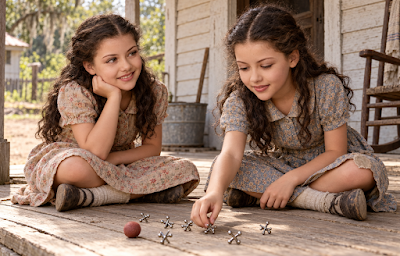
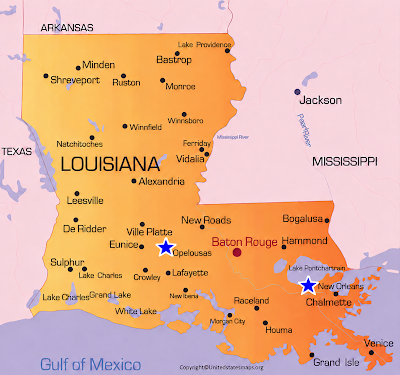
When Desiree and Stella finish tenth grade, their mother Adele takes them out of school and gets them work cleaning a house in Opelousas. This isn't the future the girls pictured for themselves, and during the Founders Day Celebration in 1954, when Desiree and Stella are sixteen, they run away to New Orleans and get jobs in a laundry.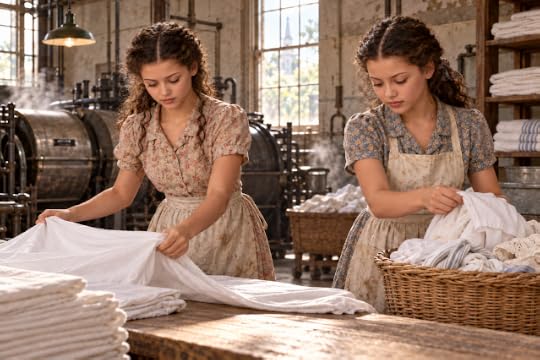
Things happen, and the girls go their separate ways.
In time, Desiree becomes a fingerprint analyst in Washington, D.C and marries a very dark-skinned Black man named Sam Winston. Conversely, Stella passes for White to become a secretary, and ends up married to a wealthy White businessman named Blake Sanders.
Desiree's husband Sam turns out to be a wife-beater, and in 1968, Desiree returns to Mallard with her 8-year-old daughter Jude, who stands out for her blue-black skin. Desiree lives with her mother Adele and gets a job waiting tables in Lou's Egg House. 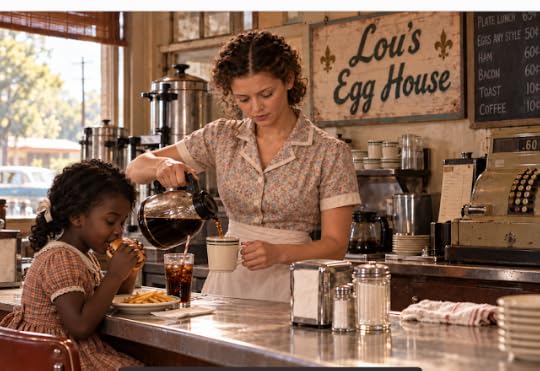
Meanwhile, Stella and her husband Blake live in an upscale White neighborhood in Brentwood, California, and have a 7-year-old daughter named Kennedy. Stella is a woman of leisure who shops, lolls in the pool, and occasionally volunteers at Kennedy's school.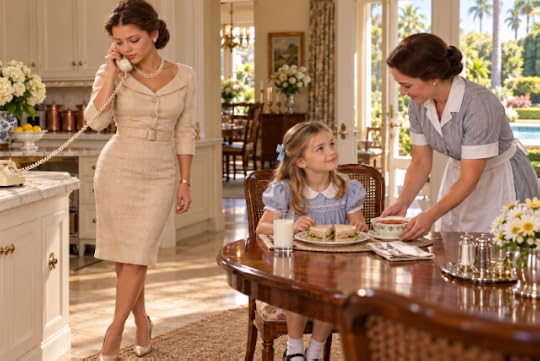
In alternating sections, we follow the lives of Desiree and Stella and their daughters. I don't want to give away spoilers, so I'll be brief and circumspect in my remarks. The story goes back and forth in time, to cover the lives of both sisters.
In Mallard, Desiree becomes romantically involved with an old acquaintance named Early, who now has a job 'finding people' all over the country (mostly for a loan shark). Since Desiree desperately misses her sister, Early searches for Stella during his travels to different states. 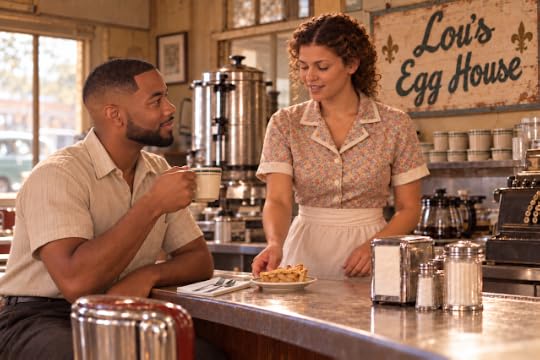
In Mallard, Desiree's daughter Jude is enrolled in school, where she's bullied, mocked, and has no friends because of her dark skin. Though Jude belongs to an old Mallard family, she's viewed as an outsider who doesn't belong. 
When Jude is eighteen, she gets a track scholarship and leaves for college in California. There Jude meets a young trans man, Reese Carter, who's a freelance photographer among other things. Jude and Reese become friends, then more.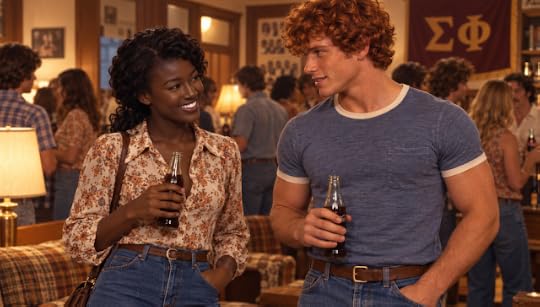
While Desiree is settling down in Mallard in 1968, Stella - who's passing for White - has a luxurious life in Brentwood, with a big house, cars, jewelry, furs, and so on. Stella is terrified of meeting any Black people, fearing they'll detect her true racial identity. Thus Stella doesn't employ Black household help, keeps her head down in the presence of Black elevator operators and service workers, etc.
When Stella and her husband Blake attend an HOA meeting in Palace Estates, the enclave where they live, Stella gets a shock. The HOA president announces a Black family, the Walkers, made an offer on a Palace Estates house. Stella, who's usually silent at these meetings, quickly stands up and INSISTS the HOA must stop the Black family from moving in. 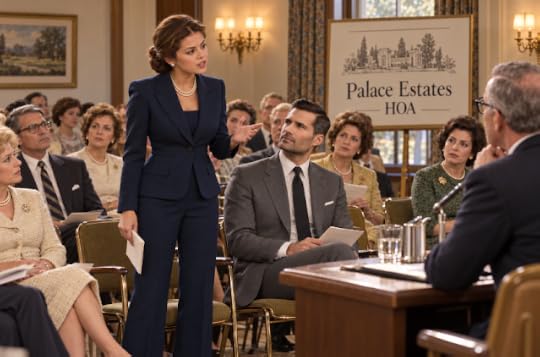
The Black Walker family is rich, and threatens to sue. Thus they get the house, which happens to be across the street from Stella. This leads to cordial relations between Stella and Loretta Walker, and a friendship between Kennedy and little Cindy Walker. Later on, there's an ugly incident that leads to drama as racism erupts in Palace Estates.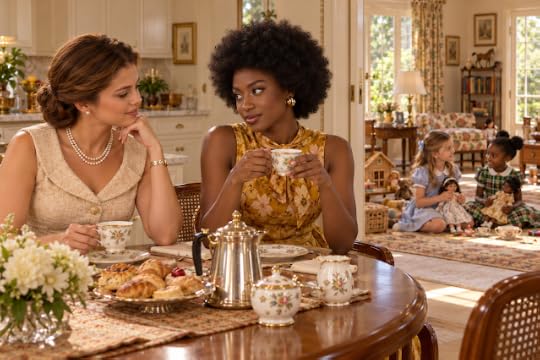
In Mallard, Jude grows up hearing about her mother's 'missing' twin sister Stella. Jude becomes obsessed with finding Stella. and by way of serendipity and determination, Jude finds her cousin Kennedy, and gets to know her 'anonymously.' At the time, Kennedy has embarked on an acting career, to the dismay of her mother, who wants Kennedy to finish college.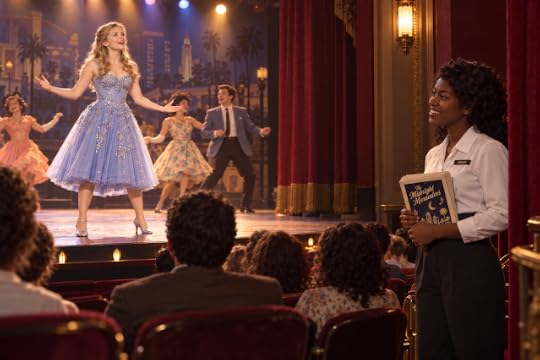
I won't say more about the story, except to note that Desiree, Stella, and their daughters demonstrate drive and a desire to get ahead. Stella's arc is especially interesting because she feels she must cut herself off completely from her Mallard family and her Black roots. Stella's life is full of lies, deception, and fear of exposure, and she's constantly anxious and wary.
The story highlights fraught race relations in the country, including colorism within an African-American community, where lighter skin is preferred. It's sad to think about dark-skinned Jude growing up in Mallard. Jude never got invited to children's birthday parties, sat alone, ate lunch alone, etc. And when Jude became a high school track star - and attracted the attention of a boy - he would meet her in private but ignore her in public. Luckily, Jude was able to go off to college and leave Mallard behind.
I listened to the audiobook, narrated by Shayna Small, who does a fine job.
The Vanishing Half is a compelling novel that's garnered many accolades and awards. Highly recommended.
Rating: 4 stars

No comments:
Post a Comment