
This book is set in 1933 Mississippi, when the Great Depression is
devastating the country. The hardship caused by the economic collapse -
as well as sexism, racism, homophobia, and eugenics - is seen through
the eyes of the novel's two narrators: 24-year-old Birdie Calhoun and
11-year-old Meg Lafleur.
Birdie Calhoun, her Mama, and her Meemaw
live on a farm in Footely, in the Mississippi Delta. The Calhoun women
are struggling after a run of bad luck. Papa died from a heart attack;
Meemaw broke her hip; the water pipes broke; and the truck gave up the
ghost. 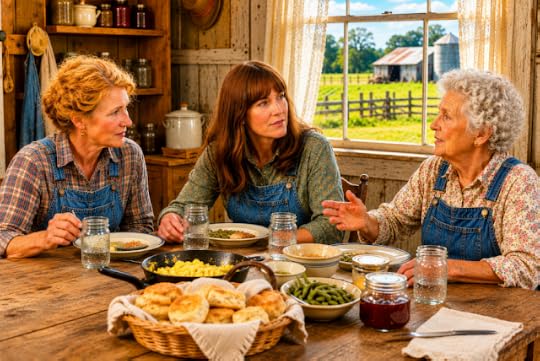
Birdie
works as a bookkeeper at Footely Farm & Mercantile, but she's paid
much less than the men working there, and the Calhoun women can't pay
their property taxes. In danger of losing their home and farm, Birdie is
sent to Oxford, Mississippi to ask her younger sister Frances for a
loan. 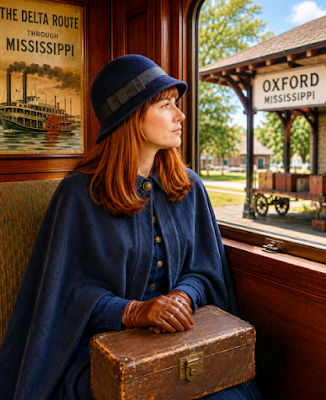
Frances left the Footely farm in her late teens, went to finishing school in Memphis, and married WAY UP.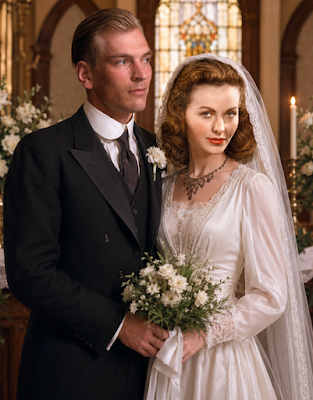
When Birdie gets to Oxford, she finds Frances and her husband Rory Tartt living with Rory's widowed mother, Mrs. Tartt. 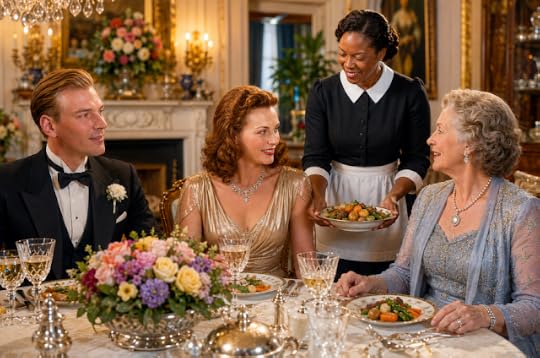
The
Tartts reside in an elegant mansion called Idlewilde, and Frances brags
to Birdie, "The Tartts are upper-class people with stature. And they’ve
been places, to Europe and Africa. Rory’s daddy was a very well-known
businessman. He started one of the biggest banks in Oxford.”
Rory works for the bank his father founded, and travels around the south to visit clients;
and
Frances volunteers at the Lafayette County Orphan Asylum for Girls,
nicknamed the Orphan, which is run by Chairlady Garnett Pittman. 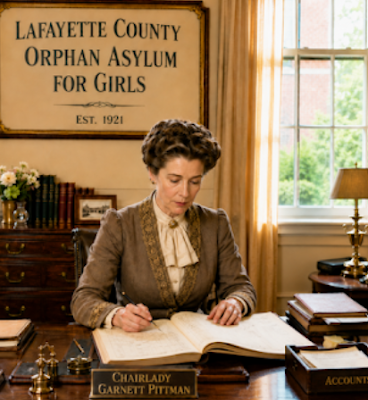
Frances
isn't being altruistic, she's social-climbing. By kissing up to Garnett
Pittman, Frances hopes to make inroads into Oxford high society. To
gain brownie points with Garnett, Frances even volunteers Birdie's
temporary services as a bookkeeper/accountant, to straighten out the
orphanage’s financial records before an upcoming inspection.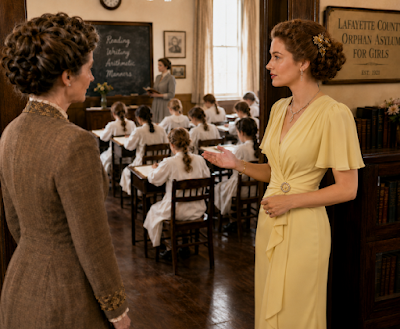
Unfortunately
for the orphans, Chairlady Garnett Pittman is a self-righteous,
mean-spirited shrew. Rather than viewing the orphans as unlucky
youngsters who need love and protection, Garnett considers them burdens
and moral failures who need to be indoctrinated. Garnett views most
things as sinful, and is running for President of the Anti-Vice League. 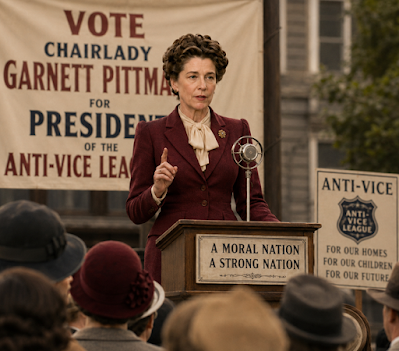
In
any event, Garnett accepts Birdie's bookkeeping services, and shows her
to the Orphan's shabby accounting office, which has moldy walls, stale
air, and boarded-up windows. There Birdie meets 11-year-old Meg Lafleur.
Garnett expelled Meg from the orphanage school, and makes the girl sit
in the stuffy accounting office all day every day.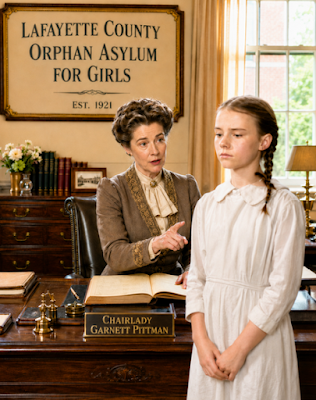
Meg
is even obliged to eat her sparse meals in the office, away from the
other girls. If Meg isn't adopted by age 12, she'll be sent to work at a
canning factory, and the Orphan will get remuneration for Meg's labor.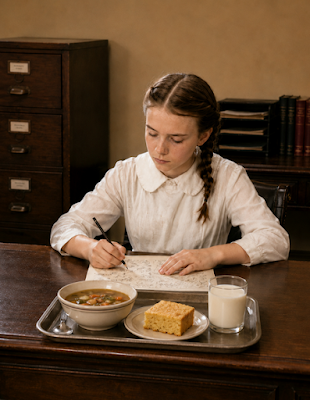
Meg's
story goes as follows: She was raised by a single mother called Charlie
who cleaned houses. They were poor, but got by, and Charlie sang to
Meg; told her stories; took her to the grocery store; let her browse in
the five-and-ten; checked out books from the library; and did everything
a loving mom does.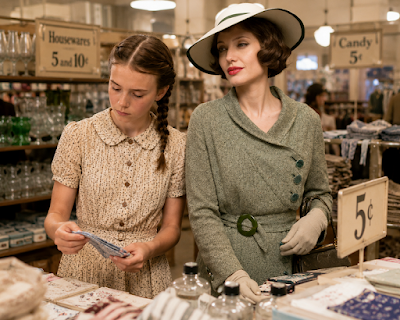
Then,
when Meg was nine, Charlie went shopping right before Christmas, and
didn't come back. Meg waited anxiously, had a few HORRIBLE days, and
ended up in the orphanage under the 'care' of Garnett Pittman, who hates
her. Meg keeps wishing and daydreaming her mother will come back.
While
Birdie works on the Orphan's books, she and Meg spend time together in
the accounting office. Birdie becomes fond of the girl, who's bright,
artistic, well-read, and well-spoken. Birdie also notes Garnett's
animosity toward the child. 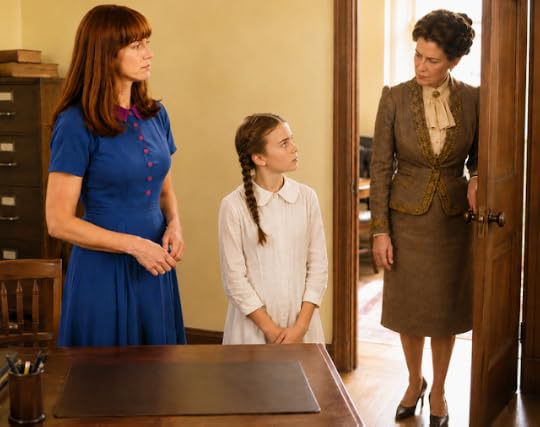
Birdie
takes it upon herself to pull the boards off the windows of the
accounting office, clean the room, and paint the walls - and Meg helps.
Going forward, Birdie maintains an interest in Meg, and vows to help her
as best she can.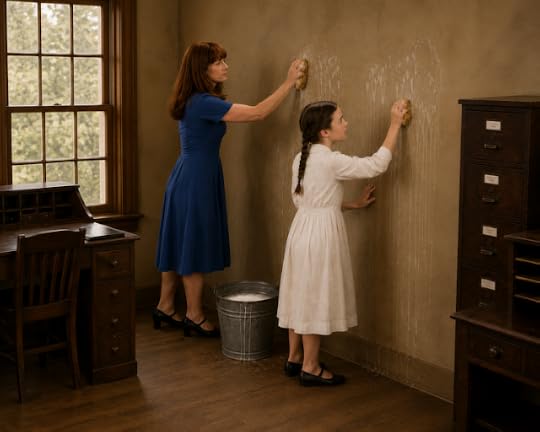
Back
at the Tartts' Idlewilde mansion, Birdie is diffident, but finally
tells Frances about the dire circumstances at Footely. Birdie reminds Frances that the Calhouns are her family as well, and asks for a loan of
$250. Frances hems and haws and finally says, “I’ll figure out how to
ask Rory. He’s just—he’s real sensitive about money right now.”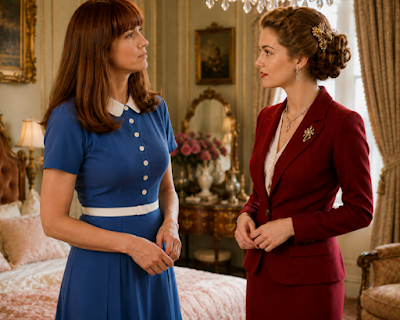
Frances
is unaware that the Tartts will soon be bankrupt themselves, and in
danger of having their mansion confiscated. The Tartts' lives are about
to change drastically.
*****
I'll have to be circumspect now, to avoid spoilers. Here are a few highlights:
ᯓ➤
After being gone for two years, Meg's mother Charlie - shabby and
distraught - comes to the orphanage, desperate to see her daughter.
Luckily, Charlie encounters Birdie instead of Garnett, and tells her sad
story. Charlie was arrested on the night she disappeared, sent to
prison, deemed feebleminded, and sterilized. All this was engineered by
Garnett Pittman, who's an awful woman. In any case, Charlie wants Meg
back, but the situation is VERY complicated.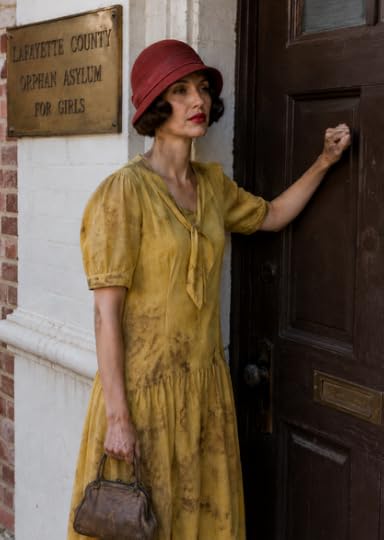
ᯓ➤ Frances's husband Rory Tartt has been keeping secrets, and big trouble ensues.
ᯓ➤ For romance fans, there are sparks for Birdie.
ᯓ➤ A gay character is described as having 'caught the homosexuality disease' and is sent away to 'get cured.'
ᯓ➤
A character who's 'passing for white' is violating Mississippi's
miscegenation laws, which are strictly enforced in towns like Oxford.
*****
Midway
through the novel, it's clear everyone needs money. Birdie needs funds
to pay the property taxes on the family farm in the Mississippi Delta;
the Tartts need cash to save their estate; and Charlie needs money to
try to get Meg back.
So while the Tartts are absent from Oxford,
and WITHOUT THEIR KNOWLEDGE, Birdie and Charlie cook up a scheme to use
the Tartt property to run a temporary dancing school (wink wink) with
female 'dancing teachers' (escorts) who take the 'dancing students'
inside after a swing dance or two. 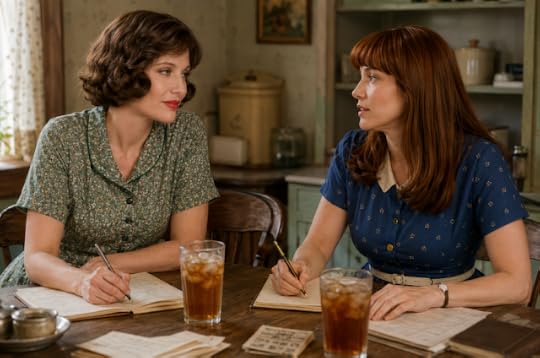
This
enterprise takes up a large portion of the novel, and is the reason
people say the story is too long (it is). There's a secondary plotline
about a millionaire family that has troubles of it own and a tragic
occurrence, but nuff said about that.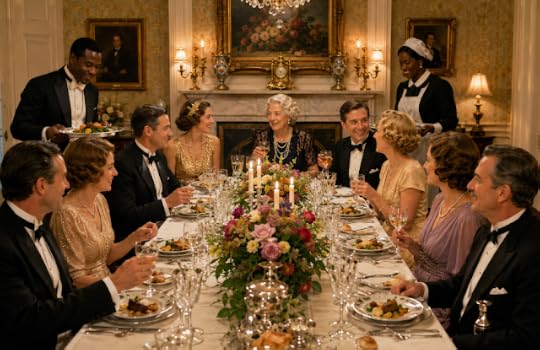
The
book bogs down in places, but I rooted for Birdie, Charlie, and their
friends as they schemed to solve their financial problems. I found the
'dance school' enterprise clever and ambitious, but it's unlikely to
work in real life. In towns like Oxford, Mississippi, where everyone
gossips - especially about people like the Tartts - the 'dance school'
could NEVER be kept under the radar.
I
enjoyed getting to know Birdie, Meg, Charlie and the other characters -
even the ones you love to hate. Meg is an especially intriguing
protagonist. She's courageous about her 'imprisonment' in the accounting
office; draws clever portraits; lies like a politician (for a good
cause); reads people like a psychologist; is kind and caring; and loves
books, buttery biscuits, and chocolate desserts (as do I). 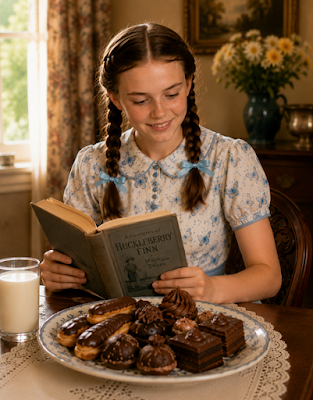
Overall,
the novel seems to be a faithful representation of Mississippi in the
1930s and beyond, and it's a good story. Recommended.
I had the
digital book and the audiobook, narrated by Jenna Lamia and January
LaVoy, who do a great job with the voices of Birdie and Meg.
Rating: 4 stars

No comments:
Post a Comment