
Cullen Post was a 30-year-old public defender in Memphis when he had a nervous breakdown.
Post subsequently became an Episcopal minister, was introduced to prison ministry, and helped free Francois (Frankie) Tatum. 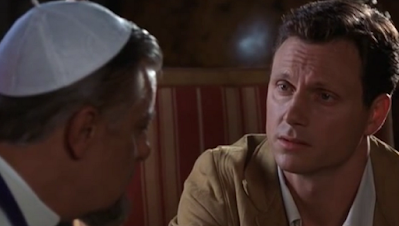
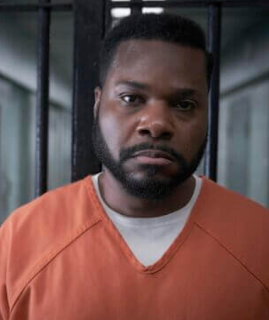
Frankie
was an innocent Black man serving life for someone else's murder, and
was finally freed after 14 years in the penitentiary.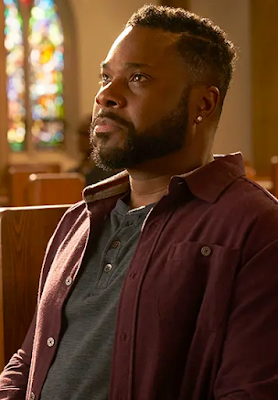
At
the age of 48, Post is now an Episcopal minister/lawyer working for the
'Guardian Ministries Innocence Project' in Savannah, Georgia.
The
non-profit, whose mission is to exonerate the wrongly convicted, has a
shoestring budget, and employs four people: Vicki, Mazy, Post, and
free-lancer Frankie. 

Post
spends most of his time driving all over the south speaking to
prisoners, interviewing witnesses, searching for new evidence, etc.
Meanwhile Vicki and Mazy do computer research and file briefs, and
Frankie is a shadow working under the radar, out of sight of the 'real
perp(s).'
So far, Guardian Ministries has exonerated eight
convicts, and is currently working to free five prisoners, two of whom
are Duke Russell and Quincy Miller.
➤➤ Duke Russell, a White man, is on Alabama's death row, convicted of raping and killing Emily Broone 11 years ago.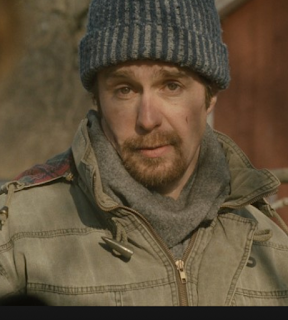
Post believes the architect of Duke's wrongful conviction is a small-town prosecutor named Chad Falwright.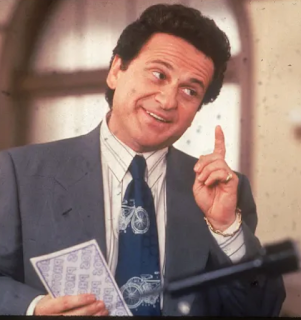
Falwright
overlooked the last man seen with Emily, didn't test pubic hairs found
on Emily's body, and used 'expert witnesses' who were later exposed as
incompetent.
Post is trying to get the evidence re-examined, and
Falwright - who views Drew's conviction as his biggest success - fights
Post every step of the way.
*****
➤➤ Quincy Miller is in prison for murder, and Post believes his conviction was orchestrated by a conspiracy.
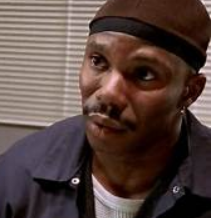
Twenty-two years ago, Quincy Miller was found guilty of murdering his divorce lawyer, Keith Russo, in Seabrook, Florida. 
Keith
Russo considered himself above divorce cases, and his shoddy legal work
saddled Quincy - a young Black man with three children -with alimony
and child support he couldn't afford. Quincy's salary was garnished, he
lost his job, had to file for bankruptcy, got caught selling drugs, and
went to jail for a year.
Later, when Keith Russo was found in his
office, dead from a shotgun blast, Sheriff Bradley Pfitzner quickly
arrived to take charge of the case, brushing aside the local police.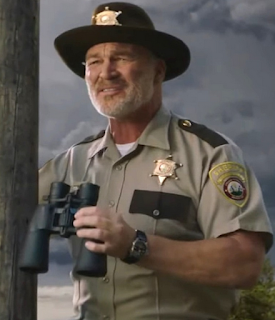
Keith's
wife and law partner, Diana Russo, pointed to Quincy as a possible
suspect. According to Diana, Quincy would come by the office, threaten
the staff, and demand to see Keith. Diana also claimed Quincy called
their home and made threats. 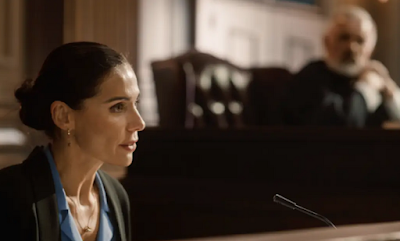
The murder weapon was never found, and Quincy's conviction relied on the following:
➜
The police confiscated Quincy's car, and Sheriff Pfitzner found a
flashlight in the trunk. The flashlight allegedly had specks of blood
that looked like backspatter from a shooting. The flashlight didn't make
it to trial, but a 'blood spatter expert' studied a photo and
testified. 
➜ Quincy's ex-wife said he owned a flashlight and a shotgun, which Quincy denied. 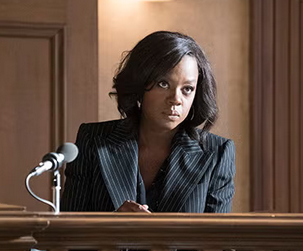
➜
A drug addict named Carrie Holland claimed she saw a Black man running
from the area, who appeared to be carrying a stick or something. 
➜ A jailhouse snitch testified that Quincy admitted to killing Russo.
That was enough to get a guilty verdict in a White town with a jury that contained only one Black person.
Post
believes Quincy was framed by Sheriff Pfitzner, who planted the
flashlight and coerced/bribed the witnesses. Post theorizes that Pfitzer
and Russo were in league with a drug cartel. Russo fell out with the
cartel, who had him killed, and the sheriff covered it up. Pfitzner then
put the blame on Quincy, who was a convenient scapegoat.
Post's
theory is supported by the fact that his court appearances are being
carefully observed by a shady lawyer in Florida and his criminal
associate. An attempted murder proves the cartel is determined to stop
Post's inquiries, and keep themselves out of the limelight. 
The
novel follows the employees of Guardian Ministries - Post and Frankie
in the field, and Vicki and Mazy on their computers - as they work
tirelessly to expose the truth and get their clients freed.
This is a very good story and excellent advocacy for The Innocence Project.
Highly recommended.
Note:
John Grisham himself is an ardent supporter of innocence projects. He
writes, "It is a real privilege to serve as a Board member and
Ambassador for the Innocence Project, one of the leading litigation and
advocacy organizations in the country. There are thousands of innocent
people in prison. It is our responsibility to share their stories,
advocate on their behalf, and fight to reform the unjust criminal legal
system.”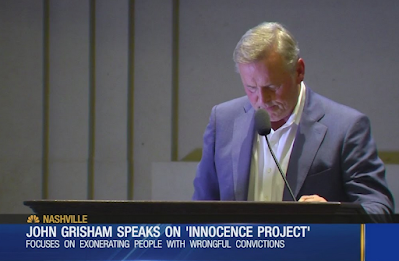
Rating: 4 stars

No comments:
Post a Comment