
This book by journalists Malcolm Gladwell and Bruce Headlam is a
'musical biography' of Paul Simon (b. 1941), available only as an
audiobook. The book is narrated by Malcolm Gladwell, and contains
interviews and conversations with Paul Simon along with additional
material. 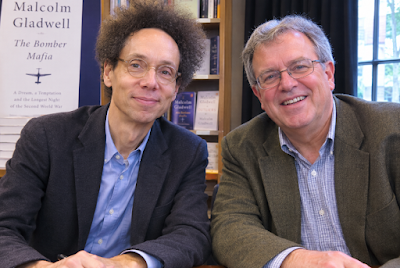
Malcolm Gladwell (left) and Bruce Headlam
Gladwell
and Headlam visited Simon in various locations around the country, and
conducted nine lengthy interviews. The conversations usually began with a
song. The journalists would suggest one or Simon would, and Paul would
talk about the song, sometimes sing a little bit of it; or they would
play the original recording and Paul would break it down as they
listened, "like a color commentator on a football broadcast." The trio
spoke about Paul's "songwriting, his craft, an examination of the
sources of his extraordinary creativity."
The audiobook includes
Paul singing live and playing recorded music. The songs are then
discussed in depth, including things like inspiration, lyrics, sound
production, instrumentation, percussion, rhythm, notes, chords, and so
on.
Simon has had a notably long career, from the time he was a teenager in Queens, New York to now, when Paul is in his eighties. 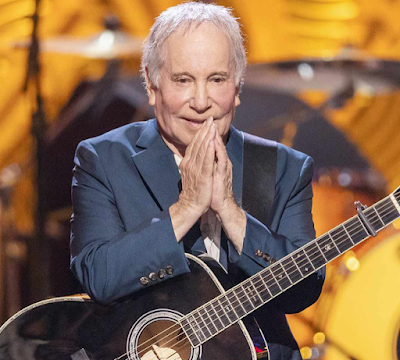
Paul Simon
Gladwell
and Headlam call Simon a musical genius, and note that - unlike older
performers who rely on their former hits - Simon constantly produces new
material, and continues to collaborate with fellow artists.
One of Paul's early hits was 'The Boxer' (1969), sung with Art Garfunkel when they were a singing duo.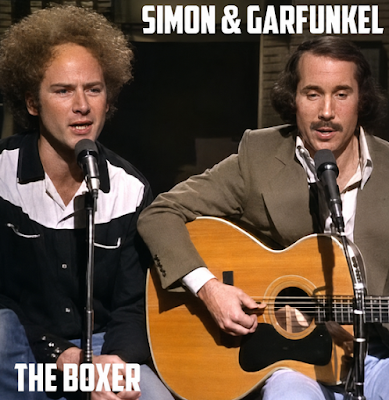
The song begins:
I am just a poor boy though my story's seldom told
I have squandered my resistance for a pocketful of mumbles
Such are promises, all lies and jest
Still a man hears what he wants to hear And disregards the rest, hmmm ....."
In the middle, the song has the refrain:
"La la la
Li la li
Li la li
Li la li
Li la li
Li la li
Li la li
Li la li
Li la li
Li la li
La, la, la, la, la, la, la
Simon
explains, "I always intended to write lyrics for that section. I just
couldn't think of what the chorus should be. So I was just singing La la
li as a space holder....and I kept it. And it's so fortunate that
that's what I did because when I sing that song anywhere, all around the
world, people sing La la li."
That's just a snippet of the conversation about 'The Boxer', and Simon speaks about the song in much more depth.
Paul
also discusses many of his other songs. A hit that garners much
attention is 'Bridge Over Troubled Water' (1970), which was originally
sung by Art Garfunkel.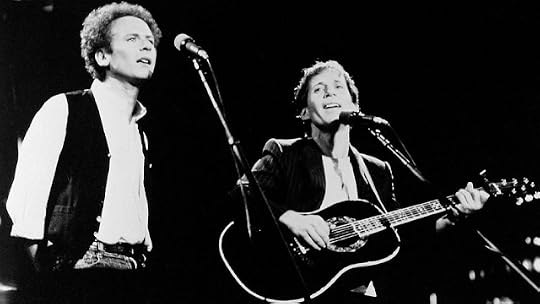
The
song quickly became a huge success. In the following years, 'Bridge
Over Troubled Water' was covered by singers around the world; high
school and college choirs sang it as a choral piece; and bands and
orchestras played it. One of the first covers, a gospel version sung by
Aretha Franklin, became a giant hit. The audiobook contains snippets of
all these versions of the song.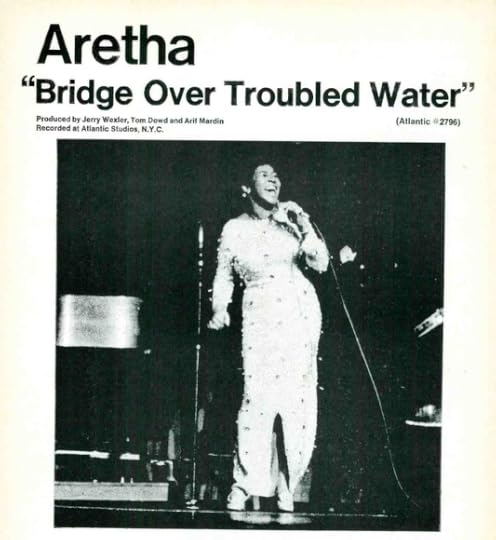
Simon
talks a great deal about the intricacies of composing his songs,
referring to slapback, echoes, elements of music, keys, instruments, his
musical memory, and incorporating sounds from other traditions. In that
vein, Simon speaks about collaborations with other musicians. As
examples:
🔴 Simon collaborated with Reverend Claude Jeeter, the
famous falsetto singer of 'The Swan Silvertones.' Simon and Jeeter
recorded the song 'Take Me to the Mardi Gras' (1973) in Muscle Shoals,
Alabama, with a New Orleans Band.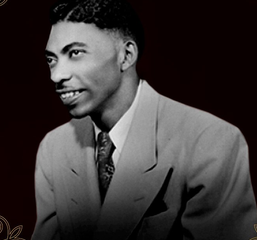
Claude Jeeter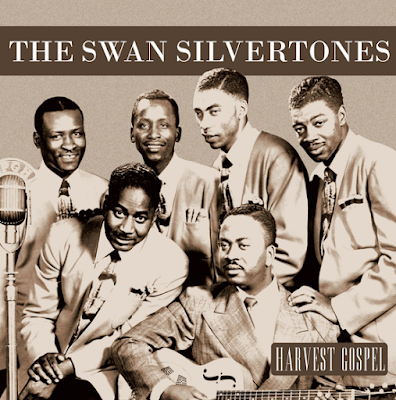
🔴
In another illustration, Simon liked South African music he heard on a
record. So in 1986, during Apartheid, Simon flew to South Africa to
record songs with musicians from the black township of Soweto.
South
African bassist Bakithi Kumalo relates several anecdotes about the
experience, starting with the time he was working as a mechanic, and his
boss said Paul Simon was looking for him in town. Kumalo says,"I was so
scared because....once I hear the English name....it's either something
that has to do with jail, maybe somebody said I did something, I didn't
know." When Bakithi learned Paul Simon was the musician who sang
'Mother and Child Reunion' (1972) he was thrilled, and he and other
Black musicians recorded music with Paul in a studio.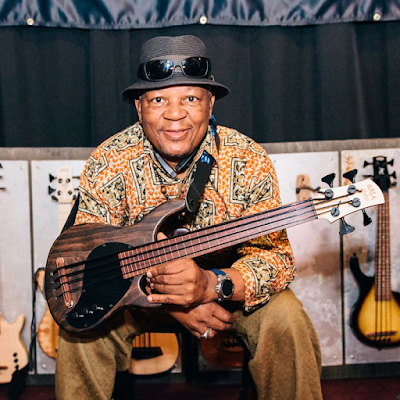
Bakithi Kumalo
Afterwards,
a few Black musicians were flown to New York, and Paul sent stretch
limousines with white drivers to pick them up. Bakithi recalls, "When we
came to JFK it was crazy.....They call us to get in the limo, but it's
like whoa, because we expecting the bus or like a taxi, but this long
car, we got so excited, and then the guy, the white guy comes in, and oh
my god (lots of laughing) America is crazy man."
The
collaboration between Simon and the South African musicians resulted in
the album 'Graceland' (1986) which had Paul Simon's distinct exacting
lyrics over jubilant African rhythms. The record won the Grammy for best
album.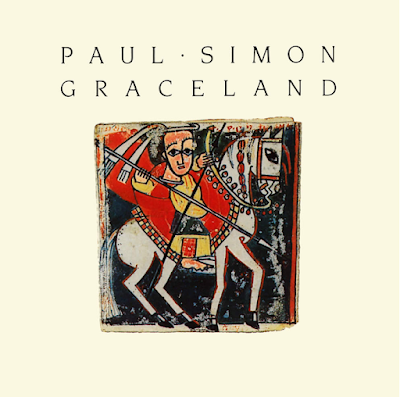
🔴
Later, Paul recorded a song in California, with Brazilian musician
Milton Nascimento. Instead of just singing harmony, Paul sang
phonetically in Portuguese. Paul then went to South America to work with
Brazilian drummers, which led to the album 'The Rhythm of the Saints'
(1990).
Milton Nascimento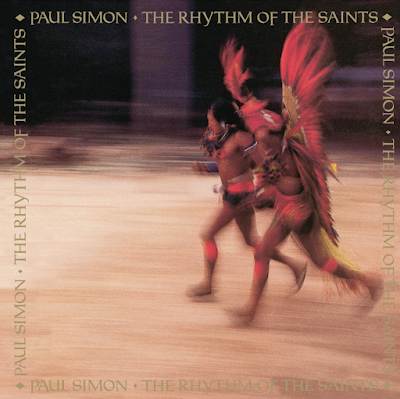
🔴
Then in 2005, Simon teamed up with jazz icon Herbie Hancock to record
Paul's song, 'I Do It For Your Love' (1975). Hancock recalls Paul was
excited about a whole new approach to his song, and wanted to do it all
in a minor key. Herbie was confounded until he thought of a way to do it
by using one note as a pivot that everything would swivel around.
Herbie laughs and says, "I chanted a lot for this record because it was a
big big challenge. But I was very happy with the way it turned out. And
I think Paul was too."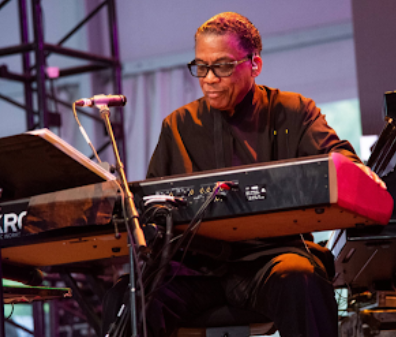
Herbie Hancock
Interviews with other musicians are scattered through the audiobook. For example:
🔴
British rock icon Sting talks about how much he likes Paul Simon's song
'America' (1968), because the words blur the line between lyrics and
poetry. Sting observes, Paul's telling you a story. He deals with
details: packs of cigarettes, Mrs. Wagner's pies, falling asleep on a
Greyhound bus...and then the epic 'we walked off to look for
America'....that's heartrending."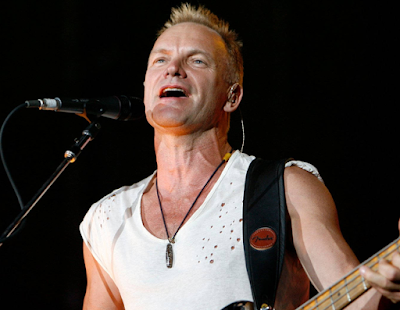
Sting
🔴
American singer-songwriter Roseanne Cash says she and her two-year-old
grandson got teary-eyed listening to Paul Simon's song 'The Only Living
Boy in New York' (1970) because it's beautifully and authentically
anthemic.
Roseanne Cash
🔴
Record producer/sound engineer Roy Halee, who's collaborated with Paul
for more than 60 years, talks about recording instruments; adding
effects; and designing the sound and feel of Paul Simon records. Among
other things, Halee says 'The Boxer' - which took over 100 hours to
complete - is the greatest single ever made (he admits he's biased). The
song required different locations, different microphones, different
players, different parts, etc. 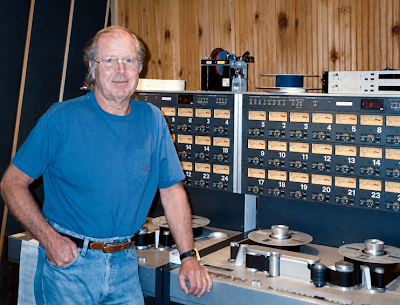
Roy Halee
For
'The Only Living Boy in New York' (1970), Halee put Simon and Garfunkel
INSIDE an echo chamber. According to Halee, this resulted in a "a
magical, magnificent, wonderful wonderful, full beautiful sound."
Halee's interview is fun and informative.
🔴 Gospel artist
producer and composer Aaron Lindsey explains how 'Bridge Over Troubled
Water' became a beautiful gospel song. Lindsey says gospel music, like
other genres, has almost a proprietary set of chord structures and
movements. And Paul Simon, Art Garfunkel and Larry Knechtel (pianist)
found a clever way to add one of those familiar movements to 'Bridge
Over Troubled Water.' Then Aretha Franklin picked it up and made it a
slam dunk gospel song.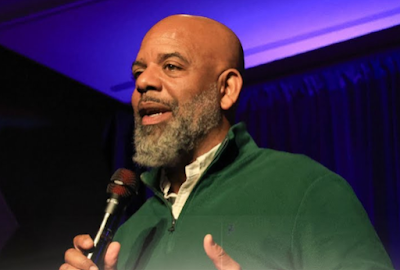
Aaron Lindsey
🔴
American musician Jeff Tweedy said, if he was asked to cover a Paul
Simon song, he would choose 'Rewrite' (2011) because he likes the guitar
rhythms. Tweedy aspires to have a creative career like Paul, "who's
aged into a songwriter who's still invigorated, still pushing himself to
make something he hasn't made already."
\
Jeff Tweedy
🔴
Opera singer Renée Fleming, who sings Simon's song 'Love and Hard
Times' (2011) on her Christmas album, admires Paul's vocal and artistic
longevity. She says "we're lucky to have had him for this long, to have
him continually thinking in a creative fruitful manner about what he
wants to say to the world."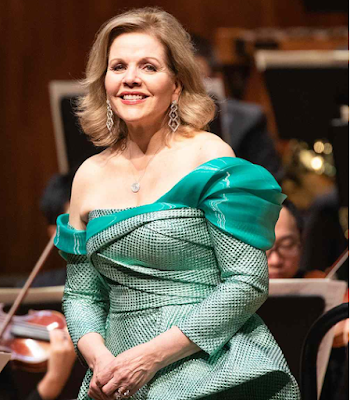
Renée Fleming
Throughout
the book, Simon talks about his brilliant father Lou Simon, a gifted
musician who went back to school in his fifties, to get a Ph.D. in
linguistics. Lou's cancer diagnosis and imminent demise inspired several
of Paul's songs.
Simon announced his retirement after the album
'Stranger to Stranger' (2016), but the retirement didn't stick. On
January 15, 2019, the date Simon's father passed away in 1995, Paul had a
prophetic dream. He recalls, "I dreamed that I was either working on a
piece called seven psalms or I was supposed to go to work on a piece
called seven psalms...And I thought okay, I'm supposed to make seven
psalms. I don't know how to do it....but I guess instructions will
follow."
Instructions DID follow, because the album 'Seven
Psalms', was released in 2023. For the recording, Simon started from
scratch: he picked up a guitar and wrote guitar pieces, and after a year
words started to come, also from dreams. Gladwell observes, "The seven
psalms are songs of a sort, but it's hard to listen to them
individually. The album wants to be listened to all in one go." The
theme is spiritual. The music acoustical. It's just Paul, his guitar,
and subtle undercurrents of percussion. Simon talks about using his
guitar as an entire orchestra in the album, and adding subtle bells and
gongs.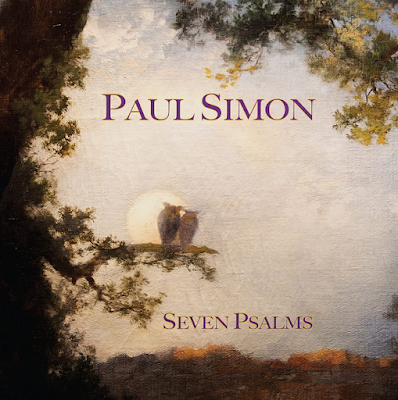
The chorus of the first track of 'Seven Psalms' - called 'The Lord' - goes like this:
The Lord is my engineer
The Lord is the earth I ride on
The Lord is the face in the atmosphere
The path I slip and I slide on
In
Gladwell's opinion, the most beautiful song on the album is the sixth
psalm, called 'The Sacred Harp', that tells the story of a couple
driving a truck through a thunderstorm, and picking up two hitchhikers, a
woman and a child. Paul sings the psalm as a duet with his wife,
singer-songwriter Edie Brickell.
Paul Simon and Edie Brickell singing 'The Sacred Harp' on the Steven Colbert Show
Paul Simon is still writing songs and performing, which is good news for his fans.
There's
much more in the audiobook, which you don't want to miss if you're a
Paul Simon fan. I liked the book, listened to it several times, and
highly recommend it.
Thanks to Netgalley, Malcolm Gladwell, Bruce Headwell, and Pushkin Industries for an ARC of the book.
Rating: 5 stars

No comments:
Post a Comment